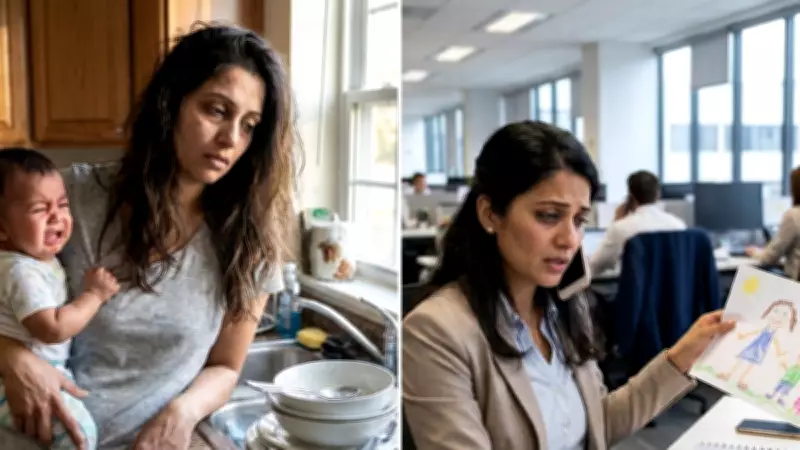
A recent study has shed light on the stress levels and health risks faced by housewives and working mothers, revealing that both groups experience significant challenges that impact their mental and physical well-being. The research highlights the need for tailored support systems to address the unique pressures each group faces.
Stress Factors for Housewives
Housewives often grapple with monotony, lack of financial independence, and social isolation, which can lead to chronic stress. The study found that many housewives report feelings of underappreciation and burnout from managing household chores and childcare without breaks. This constant pressure increases their risk of anxiety, depression, and physical ailments such as hypertension.
Challenges for Working Moms
Working mothers, on the other hand, face the dual burden of professional responsibilities and domestic duties. The study notes that the struggle to balance work and family often leads to sleep deprivation, guilt, and heightened stress. Working moms are more prone to lifestyle diseases like diabetes and heart conditions due to erratic schedules and poor self-care.

Mental Health Impact
Both groups showed elevated levels of cortisol, the stress hormone, but the sources differed. Housewives were more likely to experience emotional exhaustion from repetitive tasks, while working moms reported higher rates of anxiety stemming from time constraints and perfectionism. The study emphasizes that mental health support should be customized—housewives may benefit from community engagement, while working moms need flexible work policies.
- Housewives: Higher risk of depression due to isolation and lack of recognition.
- Working Moms: Greater incidence of burnout and sleep disorders.
- Common Risks: Both groups face increased chances of high blood pressure and weakened immune systems.
Coping Strategies
The research suggests practical measures to mitigate stress. For housewives, joining hobby groups or seeking part-time work can provide purpose and social interaction. Working moms are advised to delegate tasks, set boundaries, and prioritize self-care. Employers can support by offering remote work options and mental health days.
Ultimately, the study calls for societal recognition of the unpaid labor of housewives and the dual roles of working mothers. Policy changes, such as affordable childcare and mental health resources, are crucial to reducing health disparities between these groups.