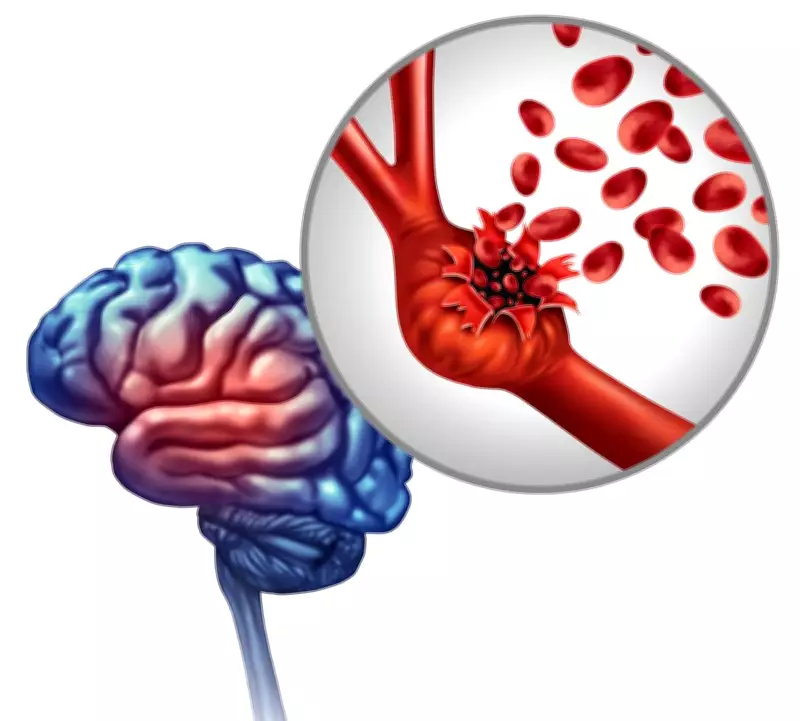
When 60-year-old Jatin Sanghvi was rushed to the hospital after developing weakness on his right side and difficulty speaking, his family thought it was an unexpected emergency. However, doctors discovered the problem had been building up silently for years. Sanghvi had poorly controlled hypertension for over a decade and had stopped taking his medications weeks before the incident. His blood pressure on admission was critically high, and tests confirmed a brain haemorrhage leading to a stroke. He required intensive care, followed by physiotherapy and speech therapy.
The Hidden Danger of High Blood Pressure
One of the hidden risks of high blood pressure is that most people experience no symptoms until an emergency occurs. By that time, damage to the brain has already happened, says Dr. Nishit Sawal, Senior Neurologist at Fortis, Mohali. Under sustained pressure, the brain's blood vessels begin to change. The arterial walls become thicker over time, reducing flexibility and limiting the supply of oxygen- and glucose-rich blood to the brain.
Silent Brain Infarcts and Cognitive Decline
The structural damage to these vessels causes microscopic bleeds in the brain, leading to tiny patches of dead or dying tissue where blood supply was cut off entirely. This damage, called silent brain infarcts, can lead to cognitive decline. According to Dr. Sawal, these infarcts are five times more frequent than stroke and increase significantly with advancing age and high blood pressure.

Cognitive Erosion and Its Impact
The cognitive consequences of this accumulating damage are alarming. Studies provide strong evidence that structural and functional changes in the brain over time lead to lowered cognitive functioning when blood pressure control is poor or lacking. When high blood pressure damages the tissue connecting the frontal lobe to the rest of the brain, the 'manager' of the mind begins to falter.
Symptoms of Untreated Hypertension
People living with untreated hypertension often experience a 'slowing down' of mental processing. Common symptoms include forgetting words mid-sentence, losing focus during conversations, difficulty switching between tasks, or feeling mentally slower than before. Many people remain unaware of the toll of hypertension and typically attribute these symptoms to stress, ageing, or lack of sleep. This condition, called vascular cognitive impairment, can be a precursor to severe dementia. Unlike Alzheimer's disease, which begins with memory loss, hypertensive brain damage typically starts with these executive deficits. Hypertension is one of the leading risk factors for the progression of cognitive impairment, and the brain is a target organ of hypertension.
The Microbleed Phenomenon
Beyond structural narrowing of blood vessels, hypertension also creates 'leaky' vessels. Chronic high blood pressure weakens vessel walls to the point where microscopic amounts of blood escape into surrounding brain tissue. These microbleeds are too small to cause a clinical emergency, but they act as toxins to brain cells. The presence of iron from the blood triggers an inflammatory response, further damaging the brain. Over years, these microbleeds accumulate deep inside the brain, disrupting motor circuits and leading to subtle changes in gait or balance. A person might find themselves shuffling or feeling less steady on their feet, often blaming it on footwear or joints, unaware that hypertension is the cause.
A Preventable Problem
Early detection and management of high blood pressure can help reduce its harmful impact on the brain. However, it cannot undo damage already done, as dead brain tissue cannot regenerate. That is why early detection and consistent management are very important. Hypertension is a treatable problem. Dietary and lifestyle changes, limiting salt intake, and quitting alcohol and tobacco consumption can help control blood pressure. Research suggests that reducing systolic blood pressure by just 10 mmHg cuts stroke risk by 27-40 per cent. What makes the difference, however, is not any single intervention, but being consistent — regular monitoring and following a healthy lifestyle. If detected, taking medication regularly and following precautions recommended by the doctor are essential.