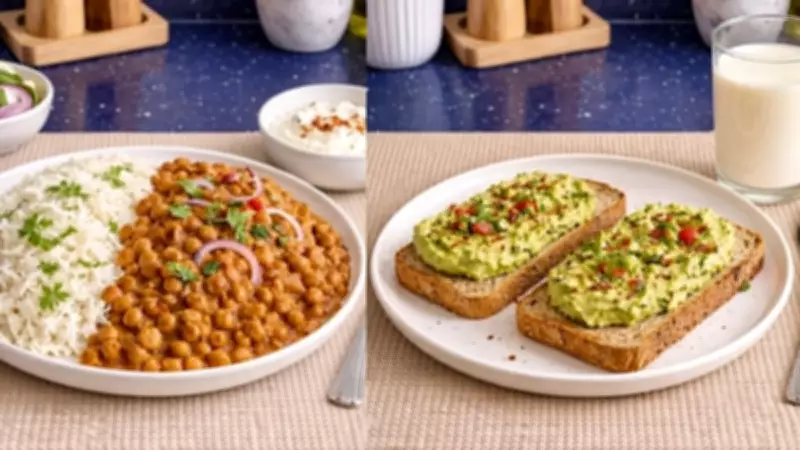
Complete Guide to a 100g Vegetarian Protein Diet Plan and High-Protein Foods
For vegetarians aiming to meet their daily protein needs, achieving 100 grams of protein per day might seem challenging, but with a well-structured meal plan and knowledge of high-protein foods, it is entirely feasible. This comprehensive guide provides a detailed vegetarian diet plan, highlights essential protein-rich foods, and offers practical tips to ensure optimal protein intake for health and fitness goals.
Understanding Daily Protein Requirements
Protein is a crucial macronutrient necessary for muscle repair, immune function, and overall body maintenance. The recommended daily intake varies based on factors such as age, gender, activity level, and health objectives. For many adults, especially those engaged in regular exercise or seeking muscle gain, consuming around 100 grams of protein daily can support these needs. Vegetarians can meet this target by incorporating a variety of plant-based and dairy sources into their meals.
High-Protein Vegetarian Foods to Include
A successful vegetarian protein diet relies on diverse, nutrient-dense foods. Here are some top choices to boost your protein intake:

- Lentils and Legumes: Foods like chickpeas, black beans, and kidney beans offer about 15-20 grams of protein per cooked cup, along with fiber and essential minerals.
- Dairy Products: Paneer (cottage cheese) provides approximately 18 grams of protein per 100 grams, while Greek yogurt and milk are excellent sources with around 10 grams per serving.
- Soy-Based Foods: Tofu and tempeh are versatile options, delivering 10-20 grams of protein per 100 grams, and they are rich in amino acids.
- Nuts and Seeds: Almonds, peanuts, chia seeds, and pumpkin seeds contribute 5-10 grams of protein per ounce, plus healthy fats and antioxidants.
- Whole Grains: Quinoa and amaranth are complete proteins, offering 8-9 grams per cooked cup, making them ideal for balanced meals.
Sample 100g Protein Vegetarian Meal Plan
This meal plan is designed to help you reach 100 grams of protein in a day, with meals spread throughout to aid digestion and energy levels.
- Breakfast (Approx. 25g protein): Start with a smoothie made from Greek yogurt (20g protein), a scoop of plant-based protein powder (15g), and mixed berries. Alternatively, enjoy scrambled tofu with spinach and whole-grain toast.
- Mid-Morning Snack (Approx. 10g protein): A handful of almonds or a protein bar can provide a quick boost to keep you satiated until lunch.
- Lunch (Approx. 30g protein): Opt for a hearty bowl of lentil soup or a chickpea salad with quinoa, paired with a side of steamed vegetables. Include a serving of paneer or tofu for added protein.
- Afternoon Snack (Approx. 10g protein): Greek yogurt with honey or a small portion of roasted chickpeas makes for a nutritious and protein-packed snack.
- Dinner (Approx. 25g protein): Enjoy a stir-fry with tofu, broccoli, and bell peppers over brown rice, or a bean curry with whole-grain roti. Finish with a glass of milk or a protein shake if needed.
Tips for Maximizing Protein Intake on a Vegetarian Diet
To ensure you meet your protein goals effectively, consider these strategies:

- Combine Protein Sources: Pairing different plant proteins, such as rice with beans, can create complete proteins with all essential amino acids.
- Monitor Portion Sizes: Use measuring tools or apps to track your protein intake, ensuring you consume adequate amounts without overeating.
- Incorporate Protein-Rich Snacks: Keep high-protein snacks like nuts, seeds, or protein bars handy to avoid gaps in intake throughout the day.
- Stay Hydrated: Drinking plenty of water supports protein metabolism and overall health, especially when increasing protein consumption.
- Consult a Nutritionist: If you have specific health conditions or fitness goals, seek professional advice to tailor your diet plan accordingly.
Health Benefits of a High-Protein Vegetarian Diet
Adopting a vegetarian protein diet offers numerous advantages beyond meeting nutritional needs. It can aid in weight management by promoting satiety and reducing cravings, support muscle growth and recovery for athletes, and improve overall metabolic health. Additionally, plant-based proteins often come with fiber, vitamins, and antioxidants, contributing to better digestion and reduced risk of chronic diseases like heart disease and diabetes.
By following this guide and incorporating a variety of high-protein vegetarian foods into your daily routine, you can easily achieve 100 grams of protein per day. Remember to balance your diet with other nutrients and listen to your body's signals for optimal health and wellness.