

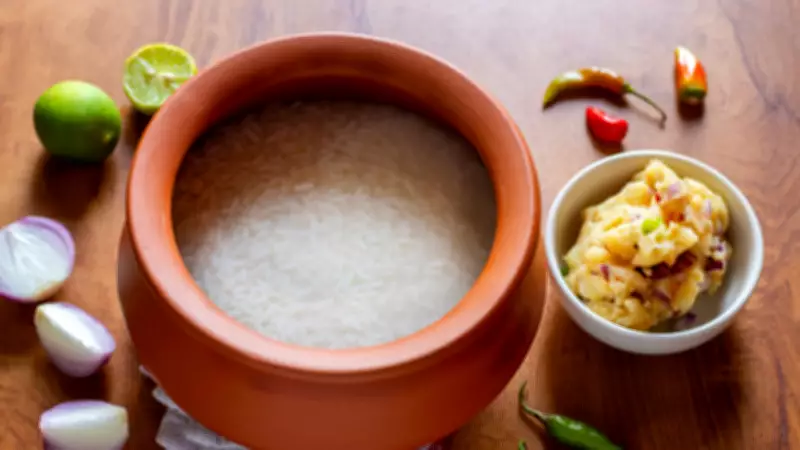
There was a time when summer in India came with its own quiet rhythm. Kitchens turned lighter, grandmothers reached for earthen pots, and meals were built around ingredients that cooled the body rather than burdened it. They were common sense, passed down through habit, memory and necessity. Today, much of that wisdom is slipping away. In its place: chilled packaged drinks, iced coffees, fast food, overly refined snacks and convenience meals that feel modern but often leave the body working harder in the heat. The tragedy is not just cultural. It is nutritional. Many traditional summer foods were designed for Indian weather, Indian kitchens and Indian bodies. They were hydrating, cooling, restorative and often surprisingly rich in fibre, minerals and natural probiotics. Here are eight such foods that deserve a better fate than quiet disappearance.
Buttermilk
Buttermilk, or chaas, used to be the everyday antidote to scorching afternoons. Light, tangy and easy on the stomach, it helped many households stay hydrated without loading the body with sugar or heavy fats. Spiced with roasted cumin, ginger or mint, it was more than a drink; it was a digestive aid and a cooling ritual. Yet in many homes, chaas has been replaced by sodas and bottled beverages. That is a loss worth noticing. Buttermilk supports digestion, helps replenish fluids and feels especially comforting when the heat begins to flatten energy and appetite.
Curd
Curd has long been one of India’s most reliable summer foods. It cools, soothes and supports gut health thanks to its natural probiotics. A simple bowl of dahi with rice, fruit or salt can be one of the most nourishing meals on a hot day, especially when appetite drops and the body craves something soft and digestible. Still, curd is increasingly edged out by processed yoghurts that are often sweetened and flavored into something far removed from the original. The plain version, once a daily staple, is now treated almost like a forgotten old habit. That is unfortunate, because curd remains one of the easiest ways to keep summer meals both light and satisfying.

Sattu
Few foods are as deeply rooted in India’s heat-beating tradition as sattu. Made from roasted gram flour, it is cooling, filling and packed with plant protein and fibre. In many regions, it has long been mixed with water, lemon, salt or spices to make a drink that can steady hunger without weighing the body down. And yet, sattu is one of those foods people often leave behind when they begin chasing imported protein powders or trendy health drinks. That swap is not always an upgrade. Sattu is affordable, accessible and quietly powerful, especially in humid or blazing weather when the body needs energy without heaviness.
Raw Mango
Long before “electrolytes” became a buzzword, Indian households were using raw mangoes to survive summer. From aam panna to simple slices dipped in salt and chilli, raw mango was prized for its tartness, minerals and cooling effect. It helped revive tired bodies, sharpen appetites and bring relief when the heat dulled everything else. Now, many people wait only for the ripe mango season or buy sugary drinks that borrow the fruit’s name but not its benefits. Raw mango deserves its place back in the season’s pantry. It is one of the simplest examples of how traditional food often understood the climate better than modern branding does.
Watermelon
Watermelon has not disappeared, but it has been nudged aside by prettier fruit bowls, imported berries and packaged desserts. That is a shame, because watermelon is one of summer’s most practical foods: high in water content, naturally refreshing and easy to digest. It gives the body what it asks for in hot weather: hydration, sweetness and lightness. Some foods are not fashionable because they are too ordinary. Watermelon is one of them. But ordinary is not the same as unimportant. In summer, it is often exactly what the body needs.

Sabudana
Sabudana is often associated with fasting, but many Indian households once used it far more regularly, especially in hot weather. Prepared as khichdi, kheer or vadas, it provided quick energy without much strain on digestion. When made thoughtfully, with peanuts, spices and minimal oil, it can be a surprisingly effective summer food for people who need something light yet sustaining. It has, however, been pushed into a narrow festive box and is now often seen only as a fasting food rather than a seasonal staple. That is a limited view. In the right form, sabudana can still serve as a gentle, cooling meal when the heat makes heavier foods feel impossible.
Millets
Before polished rice and refined flour became default choices, many Indian regions relied on millets that stood up beautifully to summer. Ragi, bajra and jowar were not just filling; they were mineral-rich, fibre-rich and better suited to steadier energy release. They held families through long, hard seasons without the crash that comes from heavily refined grains. Millets are now enjoying a comeback in some circles, but in many homes they remain underused, seen as “old-fashioned” or too rustic. That perception has done them a disservice. These grains are not relics. They are practical foods built for Indian conditions, and they deserve a central place on summer plates.
Tender Coconut Water
There are few summer drinks as elegantly simple as tender coconut water. Naturally sweet, hydrating and packed with electrolytes, it has long been one of the most effective ways to replenish the body in extreme heat. It is also one of the rare drinks that feels indulgent without being excessive. Yet even this old standby often loses ground to bottled juices, energy drinks and cold coffees. The irony is hard to miss. People pay more for drinks that do less. Tender coconut water remains one of the clearest examples of traditional food doing exactly what it was meant to do, no marketing required.





