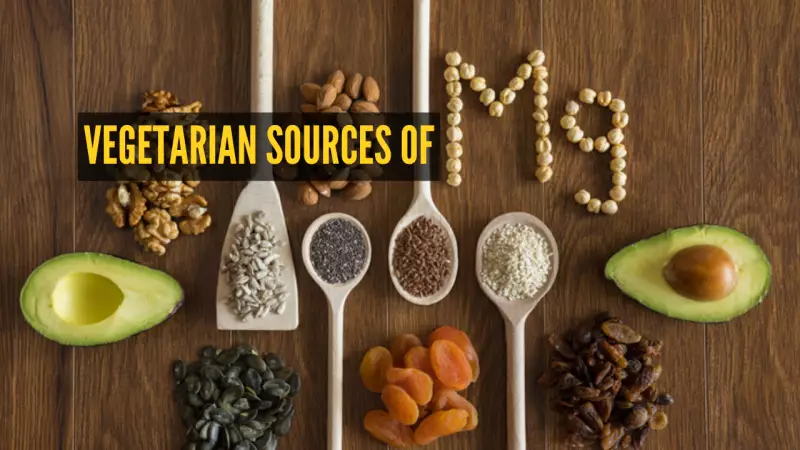
Magnesium, an essential mineral, is gaining recognition for its critical role in maintaining overall health, with emerging research highlighting its specific benefits for the liver. Experts note that magnesium is vital for energy production in liver cells, activating enzymes involved in protein synthesis, glucose metabolism, and more. A deficiency can impact the organ's normal functioning.
The Link Between Magnesium and a Healthy Liver
Dr. Joseph Salhab, a gastroenterologist based in Florida, has emphasized the connection between magnesium intake and liver wellness. He points to studies indicating that individuals who regularly consume magnesium-rich foods have a lower risk of developing fatty liver disease. The mineral supports mitochondrial function in hepatocytes (liver cells), which is fundamental for the organ's detoxification and metabolic processes.
Understanding your daily requirement is the first step. According to the National Institutes of Health (NIH), the Recommended Dietary Allowance (RDA) for magnesium varies by age and gender:

- Adult males (19-30 years): 400 mg
- Adult females (19-30 years): 310 mg
- Adult males (31+ years): 420 mg
- Adult females (31+ years): 320 mg
Top 9 Vegetarian Powerhouses of Magnesium
Incorporating these foods into your daily diet can help you meet your magnesium needs and support your liver.
1. Avocados: Nature's Butter Fruit
Providing about 58 mg of magnesium per fruit, avocados are a nutritional treasure. They are also rich in potassium, fibre, and heart-healthy fats that aid in reducing inflammation. For best absorption, enjoy them mashed on toast or blended into smoothies.
2. Quinoa: The Gluten-Free Grain
A single cup of cooked quinoa delivers an impressive 118 mg of magnesium. This high-protein grain supports energy production and bone health. Swap it for rice in a pulao or use it as a base for a hearty salad with greens and nuts.
3. Bananas: The Everyday Superfruit
A medium banana contains around 32 mg of magnesium, along with potassium for muscle function. Its natural sugars and fibre provide sustained energy, while the magnesium content aids digestion and sleep. Add it to parfaits or enjoy it as a quick snack.
4. Spinach: The Leafy Green Champion
Just 100 grams of fresh spinach leaves offer approximately 79 mg of magnesium. Dr. Salhab recommends consuming it with a drizzle of olive oil to enhance its liver-protective benefits. Use it in salads, atop pizzas, or in casseroles.
5. Black Beans: Fibre and Magnesium Combo
These legumes are excellent for liver health, as studies suggest they can improve glucose metabolism and energy expenditure, key in preventing fatty liver progression. Incorporate them into burrito bowls, wraps, or quesadillas.
6. Dark Chocolate: A Delicious Source
Rich in antioxidants and polyphenols, dark chocolate helps reduce oxidative stress and inflammation in the liver. Enjoy a small square as a snack or grate it into smoothies for a healthy treat.
7. Pumpkin Seeds: A Concentrated Dose
Among the richest sources, pumpkin seeds are a magnesium powerhouse. Research indicates they can reduce lipid accumulation in liver cells. Sprinkle them on soups, salads, or enjoy them roasted as a snack.
8. Edamame: Protein-Packed Pods
This young soybean is a great mix of protein and magnesium. A 2024 study found that edamame intake can improve fatty liver by promoting lipid excretion. Steam them and season with chilli flakes and lemon for a tasty side.
9. Almonds and Cashews: The Nutty Duo
These nuts combine magnesium with vitamin E, both beneficial for liver health. Studies show cashew intake can improve cardiometabolic markers like LDL cholesterol. Have a handful as a snack or add them to your meals.
Making Magnesium a Part of Your Routine
Integrating these foods into your Indian vegetarian diet is simple and delicious. From quinoa pulao and spinach saag to banana smoothies and roasted nut snacks, the options are vast and versatile. Prioritizing magnesium intake is a proactive step towards sustaining energy, strengthening bones, and crucially, supporting long-term liver health and reducing inflammation.

Disclaimer: This information is for general knowledge purposes only and is not a substitute for professional medical advice. Please consult your doctor or a healthcare provider before making any significant changes to your diet.