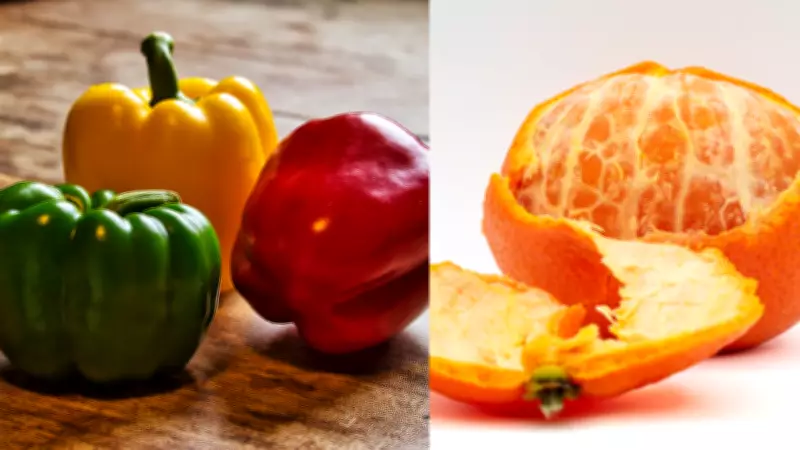
For decades, oranges have been marketed as the go-to source of vitamin C. A medium orange offers around 70 mg of vitamin C, making it an excellent immunity-supporting fruit. However, another food quietly outperforms oranges in the vitamin C race: bell peppers.
According to the US National Institutes of Health Office of Dietary Supplements, just half a cup of raw red bell pepper contains about 95 mg of vitamin C, which is already more than a medium orange. Yellow bell peppers may contain even higher levels in some cases. Ripe bell peppers deliver significantly more vitamin C per 100 grams than oranges.
Why Bell Peppers Pack Such a Powerful Vitamin C Punch
Bell peppers are not acidic like oranges, so most people never associate them with vitamin C. Yet they are loaded with it, especially when fully ripe. Red bell peppers spend more time maturing on the plant, during which their nutrient content rises. This also explains why red peppers taste sweeter than green ones. Green peppers are harvested earlier, before full ripening, so their vitamin C levels are lower.

A single medium red bell pepper can provide more than 150% of the daily vitamin C requirement for adults. Both oranges and bell peppers support collagen production, iron absorption, skin health, and immune function because of the same nutrient: vitamin C. Nutrition researchers often point out that people tend to chase nutrients through familiar foods while ignoring vegetables sitting quietly in the kitchen drawer.
Does Cooking Change the Vitamin C Content?
Vitamin C is heat-sensitive, meaning long cooking times can reduce its levels. Raw bell peppers generally retain the highest amount of vitamin C. However, cooking can improve the absorption of other antioxidants found in peppers, including beta-carotene. Light sautéing or roasting still leaves peppers nutritious while making them easier to digest for some people.
Oranges are almost always eaten raw or juiced, so their vitamin C remains relatively stable during consumption. Freshness also matters: bell peppers can gradually lose vitamin C during long storage and transport. A fresh local pepper may offer more nutritional value than one sitting in refrigeration for days.
Beyond Immunity: The Hidden Strengths of Both Foods
The debate should not end with who wins. Oranges bring hydration, fiber, flavonoids, and a naturally sweet taste. Bell peppers provide antioxidants, carotenoids, fiber, and extremely high vitamin C levels with very few calories. Red, yellow, and orange peppers also contain compounds linked with eye health and inflammation control, such as lutein and zeaxanthin.
Oranges remain deeply valuable for heart health and overall dietary balance. The healthier approach is creating variety. A colorful plate often works better than a nutritional obsession.
So, Which One Should Actually Be Eaten More Often?
The answer depends less on nutrition charts and more on eating habits. Many people can easily finish an orange in minutes, but few casually snack on raw bell peppers every day. Even if peppers technically contain more vitamin C, oranges may still contribute more consistently to some diets.
Nevertheless, bell peppers deserve far more recognition. Adding sliced peppers to sandwiches, salads, poha, wraps, omelettes, or evening snacks can quietly increase vitamin C intake without supplements or expensive wellness products. Sometimes nutrition science does not ask people to eat more but to look differently at what they already have.
Disclaimer: This article is meant for general informational purposes only and should not be considered medical advice. Nutritional needs vary from person to person depending on age, health conditions, medications, and dietary patterns. Readers should consult a qualified healthcare professional or registered dietitian before making significant dietary changes.