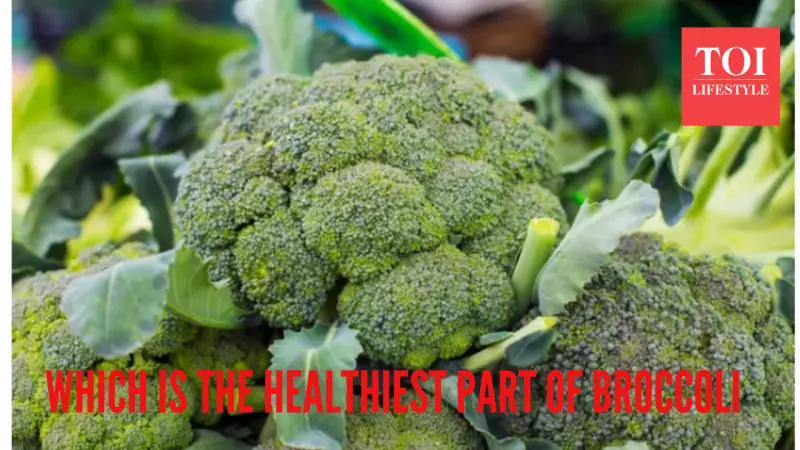
Broccoli, the beloved green vegetable often hailed as a superfood, sits proudly on dinner plates across India. But a common kitchen dilemma persists: when chopping this cruciferous veggie, should you prioritise the dark green, tree-like florets or the often-discarded sturdy stem? The answer, according to nutritional science, is more nuanced than choosing one over the other. Both parts of broccoli offer a unique arsenal of health benefits, and the real power lies in consuming the vegetable in its entirety.
The Florets: The Cancer-Fighting Champions
Most people naturally gravitate towards the florets, and for good reason. This part of the broccoli is a concentrated source of glucosinolates, particularly a compound called glucoraphanin. When you chew or chop broccoli, glucoraphanin transforms into sulforaphane, a superstar molecule extensively studied for its potent antioxidant and anti-inflammatory effects.
Research indicates that sulforaphane may support the body's natural detoxification enzymes, help protect DNA from damage, and even slow the growth of cancer cells in laboratory studies. This is why the florets are frequently celebrated as the "anticancer" component of broccoli. Nutritionally, florets are also rich in vitamin C, vitamin K, and potassium, essential for immunity, blood clotting, and heart health.

The Stems: The Unsung Heroes of Gut Health
Before you toss that thick stem into the compost bin, consider its hidden nutritional profile. The stalk is a fibre powerhouse, containing high amounts of pectins and polyphenols. This specific fibre blend acts as a prebiotic, feeding the beneficial bacteria in your gut.
Through fermentation, these gut bacteria produce short-chain fatty acids (SCFAs), which are crucial for maintaining a healthy digestive system, improving metabolic control, and reducing inflammation. Studies have found that stems possess strong antioxidant properties and can contain comparable or even higher levels of vitamin C, calcium, and iron than the florets in some samples, making them a nutritional treasure trove often wasted.
The Verdict: Why the Whole is Greater Than the Sum of Its Parts
So, in the stems versus florets debate, who wins? You do, when you eat both. Pitting one part against the other misses the synergistic magic of the whole vegetable. Florets excel in providing sulforaphane precursors linked to cancer risk reduction. Stems shine with their fibre content and prebiotic effects for optimal gut health.
Nutrition experts unanimously recommend consuming the entire broccoli to get a broader spectrum of glucosinolates, polyphenols, vitamins, and minerals. This holistic approach not only maximizes your health gains but also aligns with sustainable practices by minimising food waste. The stalk, when peeled and sliced thinly, can be a crunchy addition to stir-fries, a hearty element in soups, or a nutritious boost in smoothies.
How you cook broccoli is as important as what you eat. To preserve the delicate sulforaphane and heat-sensitive vitamins, opt for gentle cooking methods. Steaming or quick stir-frying is far superior to prolonged boiling, which can leach precious nutrients into the water. Aim for a bright green colour and a tender-crisp texture to ensure you're getting the most out of every bite, from stalk to floret.
In conclusion, don't get caught in the binary choice. Embrace the complete broccoli. This approach ensures a higher intake of diverse nutrients, supports various bodily functions from detoxification to digestion, and makes your meals more sustainable. The true superfood isn't just the florets or the stems—it's the whole, glorious vegetable.