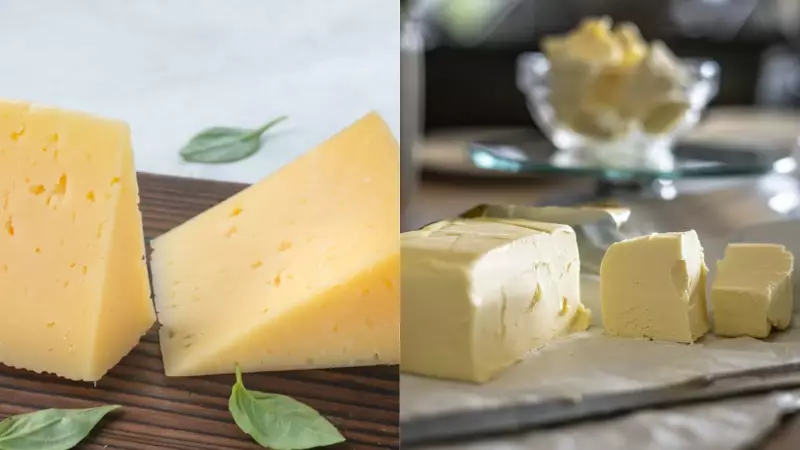
For many Indian households, the breakfast table often presents a delicious dilemma: a slice of cheese or a smear of butter on your toast? Both are beloved dairy products, but their nutritional profiles and impacts on health are distinctly different. Understanding these differences is key to making choices that align with your dietary goals, whether it's weight management, heart health, or simply better nutrition.
Nutritional Breakdown: Fat, Protein, and Calories
At their core, both cheese and butter are derived from milk, but their manufacturing processes lead to different nutrient compositions. Butter is primarily a fat product, containing about 80-81% fat, 16-17% water, and minimal amounts of protein and carbohydrates. A typical tablespoon (roughly 14 grams) of butter packs around 100 calories, most of which come from saturated fats.
Cheese, on the other hand, is a concentrated source of milk solids. The nutritional content varies widely by type (like cheddar, paneer, or mozzarella), but it generally offers a more complex mix. Cheese provides a significant amount of protein and calcium, alongside fats. For instance, a 30-gram serving of cheddar cheese contains approximately 120 calories, 7 grams of protein, and about 200 mg of calcium, alongside 10 grams of fat.

This fundamental difference means cheese can contribute to muscle repair and bone strength due to its protein and calcium, while butter is almost exclusively an energy-dense fat source.
Health Impacts: Heart Health and Weight Management
The high saturated fat content in both foods has long been a point of concern for cardiovascular health. Regular and excessive consumption of saturated fats can raise LDL (bad) cholesterol levels, increasing the risk of heart disease. Since butter is almost pure fat, its impact in this regard is more direct and potent when consumed in large quantities.
Cheese presents a more nuanced picture. While it does contain saturated fats, some studies suggest that the matrix of nutrients in cheese—including calcium and protein—might modulate how the body metabolizes this fat, potentially softening its negative impact on cholesterol compared to butter. However, this is not a license for unlimited consumption; moderation remains crucial.
For those watching their weight, calorie density is a major factor. Butter, being extremely calorie-dense, can contribute to weight gain quickly if portions aren't controlled. Cheese, while also calorie-rich, provides satiety from its protein, which might help control overall hunger. The key is to be mindful of portion sizes for both.
The Verdict: Which One Should You Choose?
There is no universal "winner" in the cheese vs butter debate. The better choice depends entirely on your individual health context, dietary needs, and how you use these products.
Consider choosing cheese when you want to add protein and calcium to your meal. For example, adding a slice to a sandwich or some grated paneer to vegetables enhances the nutritional value. Opt for lower-fat versions like mozzarella or cottage cheese (paneer) if you are managing calorie intake.
Butter can be used sparingly for its flavor and cooking properties. A thin layer on whole-grain bread or a small amount for sautéing vegetables is a reasonable approach. For everyday cooking, many nutritionists recommend using healthier fats like olive oil, mustard oil, or ghee (which has a slightly different profile) more frequently.
Ultimately, both can be part of a balanced diet when consumed consciously. The golden rule is moderation. Instead of fearing these foods, understand their roles. Pair them with a diet rich in fruits, vegetables, whole grains, and lean proteins. If you have specific conditions like high cholesterol, obesity, or heart disease, it is always best to consult a doctor or a registered dietitian for personalized advice tailored to the Indian dietary landscape.