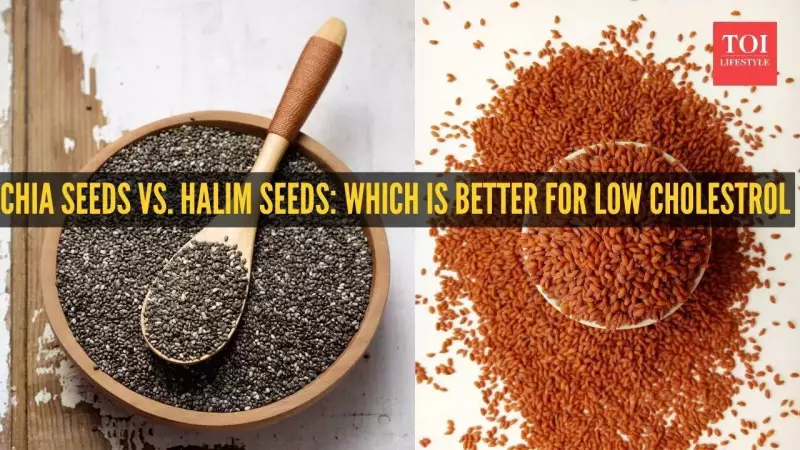
In the world of nutrition, tiny seeds are making a massive impact. Packed with concentrated fiber, healthy plant fats, essential minerals, and powerful phytochemicals, these miniature powerhouses offer unique health benefits that whole grains and vegetables alone often cannot match. For individuals concerned about cholesterol levels and heart disease, incorporating the right seeds into a regular diet can modestly but positively shift key risk factors.
The Viral Rise of Nutrient-Dense Seeds
The global wellness trend has propelled seeds like chia and halim (garden cress) into the spotlight. Chia seeds gained international fame as a celebrated "super-seed." Meanwhile, halim seeds, traditionally consumed in South Asia and known as garden cress, have experienced a resurgence in modern wellness circles and on social media. Their historical uses for boosting iron, aiding lactation, and supporting postpartum recovery, coupled with a dense nutrient profile, have driven renewed interest. The simple, visual ritual of soaking these seeds and watching them swell has captured the internet's imagination, fueling viral visibility, new research, and mainstream curiosity about their health contributions.
Chia Seeds: A Gel-Forming Champion for Lipids
Chia seeds are renowned for their high content of soluble fiber, which forms a thick, viscous gel in the digestive system. This gel plays a crucial role in trapping bile and reducing the intestinal re-absorption of cholesterol, a key pathway the body uses to recycle cholesterol. Furthermore, chia is an exceptionally rich plant-based source of alpha-linolenic acid (ALA), a type of omega-3 fatty acid. Studies indicate that ALA can modestly improve triglyceride levels and influence liver lipid metabolism.

A randomized study found that components within chia seeds contribute to reducing heart disease risk by controlling bad cholesterol (LDL), hypertension, and platelet aggregation. The combined action of soluble fiber and ALA slows down the absorption of carbohydrates and fats after a meal, which can positively influence blood lipid levels over time. Longer clinical trials, such as those involving Salba-chia added to the routine care of people with diabetes or metabolic risks, have shown improvements in specific cardiovascular markers, particularly triglycerides, compared to control diets.
Halim (Garden Cress) Seeds: A Traditional Remedy with Modern Promise
Garden cress seeds are a potent blend of soluble fiber, plant sterols (phytosterols), and antioxidant polyphenols. This combination works through plausible biological routes to produce hypolipidemic effects: reducing cholesterol absorption, modulating liver lipid synthesis, and blunting oxidative stress in the liver. A 2022 scientific review summarized Lepidium sativum's (garden cress) nutrient composition and cited multiple in-vitro and animal studies demonstrating its cholesterol-lowering, antioxidant, and liver-protective effects, though high-quality human trials remain limited.
Animal model studies have shown reproducible benefits. A 2015 study observed that halim seed consumption led to improved cholesterol profiles. Participants experienced reductions in fasting blood sugar, HbA1c, total cholesterol, triglycerides, LDL, and VLDL. Simultaneously, their levels of HDL, the "good cholesterol," increased. The seed powder also reduced markers of oxidative stress and helped restore vital antioxidants like glutathione (GSH) and key antioxidant enzymes.
Chia vs. Halim: Which Seed Should You Choose?
Both seeds offer distinct strengths and serve different nutritional roles. Chia seeds boast stronger human clinical data, including randomized trials and meta-analyses, supporting their modest benefits for improving triglycerides and other markers in at-risk groups. They are exceptionally easy to use, whether soaked or sprinkled, and are rich in soluble fiber and ALA.
On the other hand, garden cress seeds pack more iron, protein, and certain micronutrients. They have demonstrated consistent cholesterol-lowering effects in animal models, but the current lack of extensive high-quality human evidence means their benefits for people are less conclusively proven compared to chia.

Important Note: The information in this article is intended for educational purposes only and is not a substitute for professional medical advice. Always consult with a qualified healthcare provider before making any significant changes to your diet, medication, or supplement regimen.