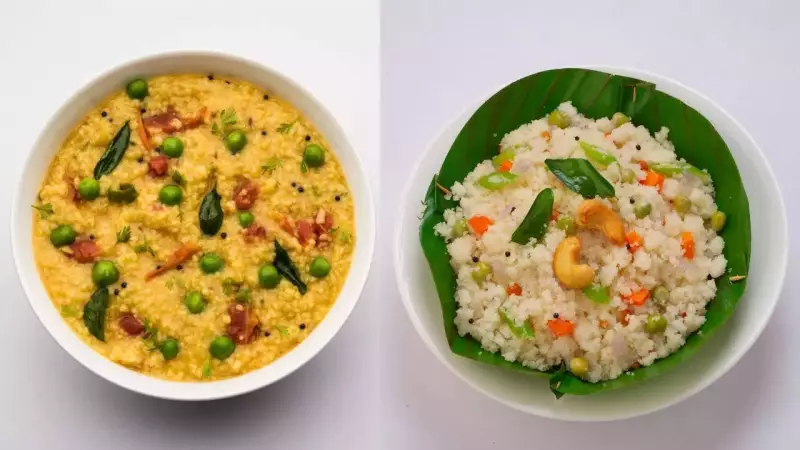
Your morning meal sets the tone for the entire day, influencing your total energy intake, blood sugar regulation, and body weight management. In countless South Asian homes, the breakfast table often features two familiar staples: dalia and upma. While both are wheat-based, emerging scientific scrutiny reveals their impacts on health are worlds apart, driven by fundamental differences in how the grains are processed.
The Grain Processing Divide: Whole Wheat vs Refined Semolina
Dalia is crafted from coarsely cracked whole wheat, meaning it retains the nutrient-rich bran, germ, and endosperm of the grain. In contrast, upma is prepared from refined wheat semolina (rava or sooji), where the bran and germ are removed during milling. This initial distinction in processing cascades into significant differences in texture, nutritional composition, and how our bodies respond to each food.
Carbohydrate Digestion and Blood Sugar Response
The journey of starch digestion is markedly slower for dalia. The intact bran layer in its coarse grains tightly holds the starch, requiring more mechanical and chemical effort to break down. A study highlighted in the Indian Journal of Medical Research found that meals made from minimally processed wheat, like dalia, resulted in lower and more gradual peaks in blood glucose and insulin levels compared to refined wheat products.

Upma tells a different story. The starch in refined semolina is more exposed and accessible. Enzymes in the digestive system act upon it rapidly, leading to a quicker and higher spike in blood glucose. Continuous glucose monitoring data identifies semolina as a trigger for an earlier and sharper insulin response, which can influence hunger and energy levels throughout the morning.
Fibre Content and Satiety: The Fullness Factor
Fibre is a key player in managing hunger, and here dalia has a clear advantage. It is rich in insoluble fibre from the retained bran. This fibre acts as a bulking agent, slowing gastric emptying and stimulating stretch receptors in the stomach that signal fullness to the brain. Scientific trials measuring hormones like peptide YY and ghrelin confirm that high-fibre meals generate stronger early satiety signals.
Upma, in its basic form, contains very little intrinsic fibre. Any fibre typically comes from added vegetables like peas or carrots. Its soft, mushy texture requires minimal chewing and offers little mechanical resistance, leading to faster consumption and quicker gastric emptying. Observational data suggests that low-fibre breakfasts may lead individuals to consume larger portions or seek additional snacks to achieve a similar feeling of fullness.
Energy Density and Micronutrient Profile
How these dishes are typically prepared also affects their calorie load. Dalia is usually cooked with water and often includes vegetables, resulting in a low energy density—meaning you can eat a satisfying volume for relatively few calories. Research shows people tend to eat a consistent weight of food; thus, a lower density helps manage caloric intake.
Upma, however, is frequently tempered with oil, ghee, nuts, or seeds during preparation. These additions, while enhancing flavour, significantly increase the energy density and total calories per serving. A similar-looking portion of upma can deliver substantially more energy than one of dalia.
Nutritionally, whole wheat dalia is a natural source of magnesium, iron, zinc, and B vitamins, which are crucial co-factors in metabolic reactions. The refining process strips semolina of many of these naturally occurring micronutrients. While some brands may fortify their product, upma generally starts at a nutritional disadvantage compared to its whole-grain counterpart.

Key Differences at a Glance
Attribute: Dalia | Upma
Grain Processing: Whole wheat, coarse | Refined semolina, fine
Starch Digestion: Slower, lower glucose peaks | Faster, higher glucose peaks
Fibre Content: High, mainly insoluble | Low, mostly from additives
Energy Density: Lower, water-rich | Higher if oil/nuts added
Micronutrients: Higher magnesium, iron, B vitamins | Lower unless fortified
In the context of rising concerns over obesity and metabolic health in India, understanding the physiological behaviour of everyday foods is crucial. The evidence indicates that dalia, with its slower digestion, higher fibre, and lower energy density, may support better blood sugar control and enhanced satiety, potentially helping regulate daily calorie intake. Upma, especially when prepared with generous fats, can be a more energy-dense option with a quicker impact on blood glucose. The choice, ultimately, depends on individual health goals, but being informed empowers better dietary decisions starting from the first meal of the day.