

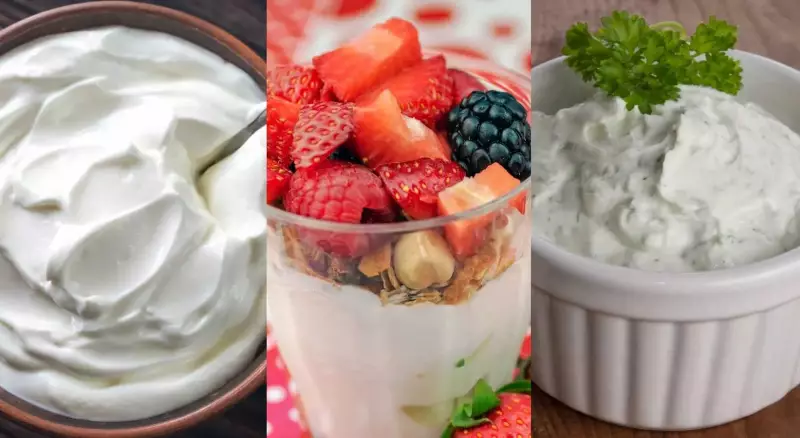
A trip down the dairy aisle in an Indian supermarket can be a surprisingly confusing experience today. Shelves that once held familiar tubs of dahi now present a modern identity crisis, crowded with options like Greek yoghurt and skyr. Shoppers often find themselves comparing labels, calculating protein numbers, and still leaving with a lingering doubt about their choice.
Protein Power: The Muscle Behind the Spoon
Fitness experts like Shweta Mehta frequently highlight how the right dairy base can manage hunger effectively. This advice echoes in the minds of consumers as they browse. The core difference lies in the nutritional profile, particularly protein content.
Greek yoghurt typically leads the pack in protein. Its dense, heavy texture, achieved through extensive straining, naturally slows down eating and promotes a lasting feeling of fullness.

Skyr follows closely in protein content but offers a smoother, creamier mouthfeel without added fat. It acts as a subtle backdrop, blending seamlessly into fruit bowls or oatmeal without overpowering other flavours.
Hung curd, made by draining regular curd in a cloth, gains thickness but sees a less dramatic rise in protein. Its appeal lies more in its rich, spreadable texture than in muscle-building claims.
Traditional curd (dahi) has the lowest protein count among the four. However, its value is in the live cultures that aid digestion, making it a perfect companion to rich Indian meals like curries and biryani.
Taste and Texture: Where Loyalty is Built
Ultimately, taste and texture create daily habits more than any label. The sensory experience—how sourness hits the tongue, how thick a spoonful feels—determines what people reach for repeatedly.
Greek yoghurt delivers a pronounced tang that pairs beautifully with honey or fruit, often satisfying dessert cravings. Skyr is milder and more polite, allowing toppings like nuts and berries to shine.
Hung curd brings a firm, sharp sourness that stands up to bold Indian spices like roasted cumin and chaat masala, making it ideal for robust dips. Classic curd offers a gentle, recognisable tartness that varies with seasons but remains a comforting staple in every home.
Practical Uses: Matching Dairy to Your Daily Routine
The real test of any food is how easily it fits into your life. Nutrition only matters when it becomes part of a sustainable routine.
For high-protein breakfasts that control mid-morning hunger, Greek yoghurt and skyr are the top contenders. They work perfectly with oats, muesli, or fresh fruit.
Hung curd excels in savoury applications. Its firm texture makes it excellent for wraps, sandwiches, and dips, helping to bind vegetables and reduce the need for heavy sauces.
Curd plays an irreplaceable role in the Indian diet. It cools the palate, soothes the stomach after spicy food, and complements daily meals of dal, rice, and parathas without requiring any change to traditional eating patterns.
The choice is rarely static. Needs change with meals, weather, and health goals, leading many Indian kitchens to rotate through all four options. The key is understanding their unique strengths—whether it's protein for satiety, texture for cooking, or live cultures for digestion—and choosing the one that fits the moment.
Disclaimer: This content is intended purely for informational use and is not a substitute for professional medical, nutritional or scientific advice. Always seek support from certified professionals for personalised recommendations.






