

Drone Strike Targets Strategic Port in Oman Amid Regional Conflict
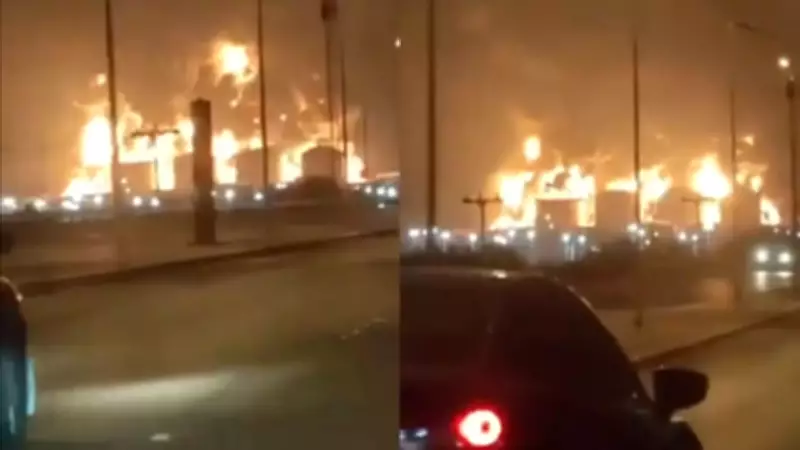
On March 11, 2026, the escalating conflict between Iran, the United States, and Israel reached a critical maritime hub in the Gulf region. Multiple drones struck fuel storage tanks at the Port of Salalah in Oman, setting off significant fires and sending shockwaves through global energy and shipping markets. Authorities confirmed that while several drones were intercepted by air defenses, others successfully penetrated and hit the oil storage infrastructure.
Immediate Impact and Response at Salalah Port
The attack caused substantial fires in at least two fuel tanks, with videos showing flames engulfing sections of the oil depot and plumes of smoke rising into the sky. Emergency services responded swiftly to contain the blazes, and no casualties were reported among port workers or nearby residents. Merchant vessels docked in the area remained undamaged, but the incident forced a temporary disruption in port operations.
Following the strike, shipping giant Maersk halted activities at the port due to security concerns, and container terminal operations were paused until further notice. Vessels in adjacent waters were advised to stay alert, highlighting the vulnerability of critical energy infrastructure in the Gulf.

Broader Regional Escalation and Historical Context
This attack is part of a wider campaign targeting ports, refineries, and energy facilities across the region since the Iran-US-Israel war began on February 28, 2026. Earlier in March, Oman's Port of Duqm was also hit by drones, damaging fuel storage and injuring a foreign worker. Other incidents include attacks on oil tankers near Oman's coast and aerial threats in Gulf states hosting US military assets.
Oman has historically served as a neutral mediator in Middle Eastern diplomacy, maintaining relations with both Iran and Western nations. The targeting of its infrastructure suggests the conflict is spilling into traditionally neutral territories, potentially to pressure Gulf states perceived as cooperating with US or Israeli interests.
Iran's Denial and Accusations of False-Flag Operations
Iran has denied responsibility for the Salalah strike, with a spokesperson from the Khatam al-Anbiya Central Headquarters describing it as "suspicious" and suggesting it could be a false-flag operation by the US or Israel to blame Iran and widen the conflict. Iranian officials emphasized that Oman is considered a "friend and neighbour" and that Tehran does not seek confrontation with nearby Muslim countries.
However, Western and Gulf analysts argue that Iran's military strategy increasingly involves targeting energy infrastructure as part of its broader confrontation, raising questions about accountability in the region.
Global Energy and Shipping Markets at Risk
The strike on Salalah has intensified concerns over the safety of oil infrastructure in the Gulf, a region crucial for global energy supplies. Potential consequences include:
- Disruptions to global oil supply chains
- Spikes in fuel prices and shipping insurance surcharges
- Rerouting of tankers away from conflict zones
- Increased volatility in energy markets
Even minor disruptions can have significant ripple effects, given the Gulf's role in exporting a large portion of the world's crude oil and liquefied natural gas.
The Growing Role of Drone Warfare
This incident underscores the expanding use of drones in modern conflicts, particularly in the Middle East. Drones are cost-effective, difficult to detect, and capable of precise strikes over long distances, often resembling loitering munitions that hover before attacking. Their deployment allows for targeting critical infrastructure far from traditional battlefields, transforming the nature of regional warfare.

Conclusion: A Dangerous New Phase in the Conflict
The drone attack on Oman's Port of Salalah marks a perilous escalation in the Iran-US-Israel war, threatening not only military targets but also the economic lifelines of the Gulf region. As the conflict expands beyond its original battlegrounds, it tests the resilience of global trade routes and energy supply chains. Continued assaults on strategic ports could soon impact not just the Middle East but the entire global economy, emphasizing the urgent need for diplomatic resolutions to prevent further destabilization.





