Middle East War Enters Critical Phase with US and Israeli Strikes on Iran
The ongoing conflict in the Middle East has escalated dramatically as it entered its seventh day on Friday, with the United States military releasing footage showcasing multiple precision strikes on Iranian targets. In a post on the social media platform X, the US Central Command shared a video depicting American forces carrying out these strikes, emphasizing the destruction of Iranian assets. "Iranian targets are being decimated by US forces, paving the way for continued delivery of overwhelming American military firepower," the command stated, underscoring the intensity of the operations.
Hostilities Intensify Across the Region
This development occurs amid rapidly escalating hostilities involving the United States, Israel, and Iran, with reports of missile attacks, air strikes, and cross-border threats proliferating throughout the region. Israel announced it had launched a new wave of strikes targeting Tehran, specifically aimed at what it described as "regime infrastructure," marking a "new phase" in the war. Journalists from AFP in the Iranian capital reported hearing loud explosions, corroborated by Iranian media accounts of heavy strikes. An Iranian official claimed at least 20 people were killed in US and Israeli strikes in the southern city of Shiraz, though AFP noted it could not independently verify this toll.
In retaliation, Iranian missile launches triggered air-raid alerts in Israel, with multiple blasts reported over Tel Aviv after the Israeli military detected missiles fired from Iran. "A short while ago, the IDF identified missiles launched from Iran toward the territory of the State of Israel. Defensive systems are operating to intercept the threat," the military confirmed, highlighting the tit-for-tat nature of the conflict.

Regional Tensions and Humanitarian Concerns Mount
The conflict has significantly heightened tensions across the Gulf region. Residents of Dubai received phone alerts from the Emirati interior ministry warning of potential missile threats and advising people to seek shelter away from windows and open areas. Saudi Arabia reported that its air defences intercepted three drones east of Riyadh and destroyed three missiles aimed at an air base. Qatar stated it had thwarted a drone attack targeting the US-run Al-Udeid air base, which is Washington's largest military installation in the Middle East.
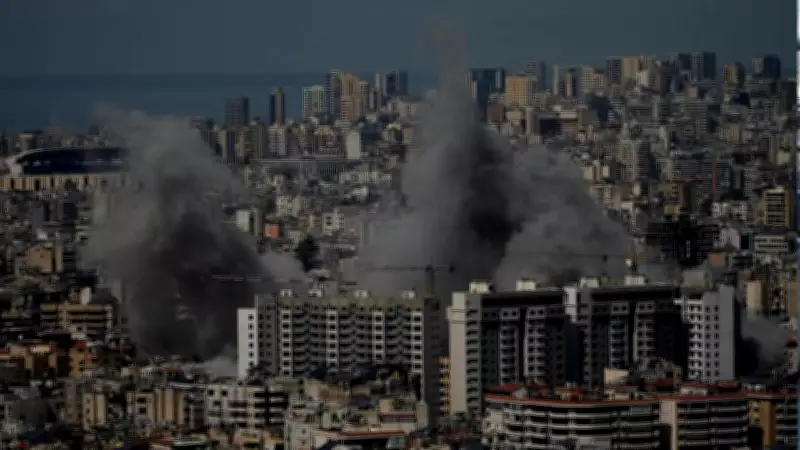
Elsewhere, Bahrain revised an earlier statement, now reporting that Iran struck a hotel and two residential buildings in the capital Manama, indicating the spread of violence beyond direct combat zones. The humanitarian toll is also rising sharply. Lebanese Prime Minister Nawaf Salam warned that "a humanitarian disaster is looming" as Israeli evacuation orders prompted large-scale displacement from Hezbollah-controlled areas in Beirut's southern suburbs and southern Lebanon. Lebanon's health ministry reported at least 123 people killed in Israeli strikes since the country was drawn into the conflict earlier this week, including casualties from fresh strikes on Beirut's southern suburbs.
International Reactions and Investigations
United Nations human rights chief Volker Turk called for "transparent and impartial investigations" into a reported deadly strike on a school in Iran. "What we have asked for is obviously prompt, transparent and impartial investigations, which we understand has been announced by the United States of America," he told reporters in Geneva, stressing the need for accountability and redress for victims.
Military fallout has extended beyond the main combat zones. Kuwait's defence ministry reported 67 army personnel injured since Iran began its retaliation campaign, the highest number reported by any Gulf military so far. In Europe, British authorities arrested four men in London on suspicion of assisting Iran's intelligence service by allegedly spying on locations and individuals linked to the city's Jewish community. Police indicated one suspect was Iranian while the others held dual UK-Iranian nationality.

Political Statements and Global Implications
Meanwhile, US President Donald Trump stated that sending American ground troops into Iran was not under consideration at present. "It's a waste of time. They've lost everything. They've lost their navy. They've lost everything they can lose," he told NBC in a telephone interview, dismissing comments by Iranian Foreign Minister Abbas Araghchi suggesting Tehran was ready for a ground invasion.
In a separate development, Australian Prime Minister Anthony Albanese revealed that three Australian military personnel were aboard a US submarine involved in sinking an Iranian navy vessel near Sri Lanka earlier this week as part of a training arrangement. Trump also expressed support for Iranian Kurdish fighters potentially launching an offensive against Tehran, saying, "I think it's wonderful that they want to do that, I'd be all for it."
The conflict continues to evolve, with regional stability at stake and humanitarian crises deepening as international actors weigh in on the escalating violence.