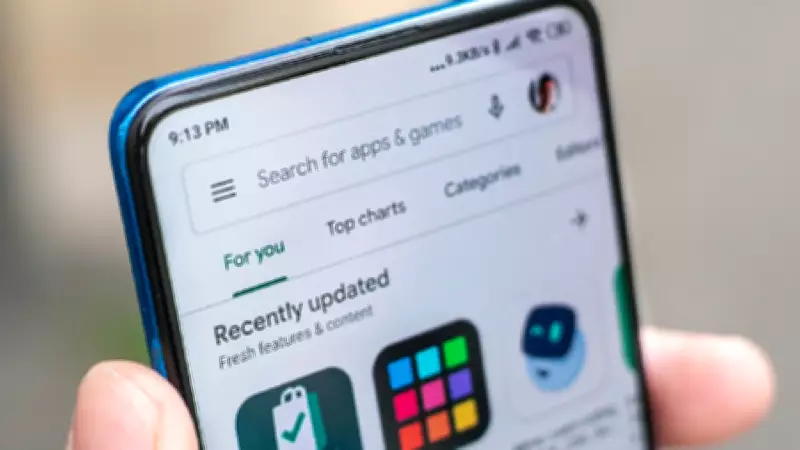
Google Play Store to Roll Out Warning Labels for Battery-Draining Android Apps by 2026
In a significant move aimed at enhancing user transparency and control, Google has announced plans to introduce warning labels on the Play Store for Android apps that are known to cause excessive battery drain. This new feature, scheduled for a full rollout by 2026, is designed to empower users with clearer information before downloading apps, potentially improving device performance and battery life management.
Details of the New Warning System
The warning labels will be prominently displayed on app listings in the Google Play Store, alerting users to potential battery issues associated with specific applications. This initiative is part of Google's broader efforts to foster a more trustworthy and user-friendly ecosystem for Android devices. By providing upfront warnings, Google aims to reduce instances where users unknowingly install apps that negatively impact their device's battery health, leading to frustration and decreased satisfaction.
The implementation of these labels is expected to rely on advanced monitoring and data analysis tools that track app behavior in real-time. Google will likely use metrics such as background activity, CPU usage, and network requests to identify apps that consume disproportionate amounts of battery power. This data-driven approach ensures that warnings are based on objective performance indicators rather than subjective reviews.

Impact on Users and Developers
For Android users, this feature promises greater awareness and choice when selecting apps from the Play Store. It could lead to more informed decisions, potentially reducing the number of battery-draining apps installed on devices and extending overall battery longevity. Users may also benefit from improved device stability and fewer unexpected shutdowns, especially on older or lower-end smartphones.
On the developer side, this move encourages app creators to optimize their software for better battery efficiency. Apps that receive warning labels might see a decline in downloads, incentivizing developers to address performance issues promptly. This could spur innovation in app design, with a focus on minimizing resource consumption without compromising functionality. Google has indicated that it will provide tools and guidelines to help developers meet these new standards, fostering a collaborative environment for improvement.
Timeline and Broader Context
The rollout is set for 2026, giving Google ample time to refine the technology and ensure accurate labeling. This timeline allows for extensive testing and feedback collection from both users and developers to fine-tune the system. The announcement comes amid growing concerns about digital well-being and sustainability, as battery drain not only affects user experience but also contributes to electronic waste when devices are replaced prematurely.
This initiative aligns with other recent updates from Google, such as enhanced privacy labels and security warnings, highlighting the company's commitment to creating a safer and more transparent app marketplace. By addressing battery drain proactively, Google aims to strengthen the Android ecosystem's reputation and compete more effectively with other platforms that prioritize user-centric features.
In summary, the introduction of warning labels for battery-draining apps on the Google Play Store by 2026 represents a proactive step toward better user empowerment and app quality. As the digital landscape evolves, such measures are crucial for maintaining trust and ensuring that technology serves users efficiently and responsibly.