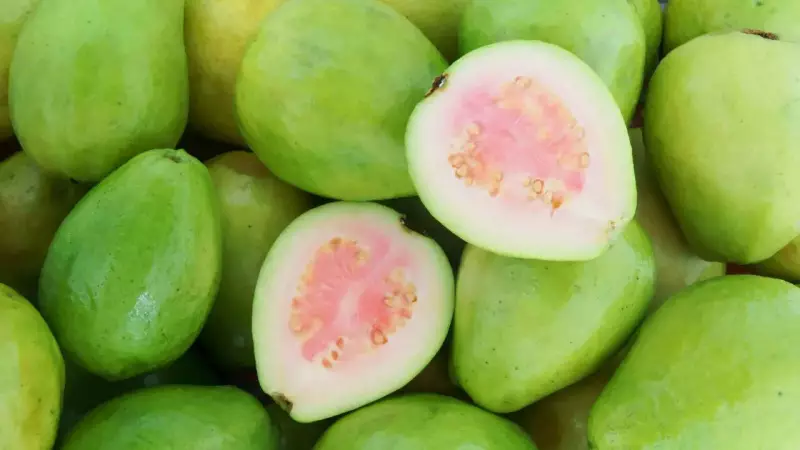
As the cooler months settle in, markets across India see a familiar and beloved arrival: the guava. This seasonal fruit, scientifically known as Psidium guajava L., comes into prominence not just by chance but due to a confluence of favorable conditions. Its harvest peaks during winter, a period when changing food availability and storage conditions align perfectly with the fruit's unique physiology.
Why Winter is the Prime Season for Guava
Guava is classified as a climacteric fruit, meaning it continues to ripen after being picked from the plant. This process involves increased respiration and ethylene production, which typically leads to rapid softening and moisture loss in warm conditions. However, the reduced ambient temperatures of winter slow down this metabolic activity, along with enzymatic breakdown and microbial growth. This natural refrigeration allows guavas to reach consumers with significantly less deterioration, preserving their cellular structure and nutritional content for a longer, albeit still short, period. Grown widely in tropical and subtropical regions, the large harvests during cooler months make this the ideal time for in-depth nutritional analysis and consumption.
A Deep Dive into Guava's Nutritional Powerhouse
Scientific attention on guava has consistently highlighted its dense nutritional composition and a wide array of phytochemicals found in the fruit, peel, seeds, and leaves. A study published in Annals of Phytomedicine: An International Journal documents its rich profile. The analysis of fresh guava pulp, conducted using standard food composition methods, reveals a fruit with high water content and a concentrated supply of vitamins and minerals within a low-energy matrix.

Here is the detailed nutritional profile per 100 grams of fresh guava fruit:
- Water content: Approximately 80.8 grams, indicating high moisture.
- Energy: About 68 kilocalories, showcasing its low-fat, moderate-carb nature.
- Total carbohydrates: 14.32 grams, comprising natural sugars and fibre.
- Dietary fibre: A significant 5.4 grams, including both soluble and insoluble types.
- Protein: Around 2.55 grams, which is higher than many common fruits.
- Potassium: Roughly 417 milligrams, the dominant mineral present.
- Vitamin C (Ascorbic acid): An impressive 228.3 milligrams, several times higher than citrus fruits.
- It also contains calcium (18 mg), magnesium (22 mg), iron (0.26 mg), and trace amounts of B vitamins like niacin and thiamine.
Seven Evidence-Based Health Benefits of Guava
Research on guava extends beyond its pulp to include leaves, seeds, and bark, using biochemical assays and animal models. It's crucial to note that these effects are observed in controlled experimental settings and are not direct clinical recommendations. However, they explain guava's prominent place in health literature.
1. May Aid Respiratory Comfort: Hydroalcoholic extracts of guava leaves have been shown to reduce cough frequency in experimental models. Astringent compounds in the leaves are believed to interact with the respiratory tract.
2. Potent Antioxidant Activity: Extracts from the fruit and leaves demonstrate strong free radical scavenging and inhibit lipid peroxidation in lab studies, thanks to identified flavonoids, polyphenols, and carotenoids.
3. Influences Gastric Health: Methanolic extracts of guava leaves exhibited antacid and ulcer-protective activities in studies on rats with induced gastric ulcers, showing reduced ulcer indices at specific doses.
4. Affects Glucose Metabolism: Research on diabetic rat models indicates that guava leaf extracts can lower blood glucose levels and modify the activity of key enzymes involved in carbohydrate digestion and sugar production.
5. Demonstrates Antimicrobial Action: Extracts from guava seeds, leaves, and bark have shown inhibitory effects against bacteria like E. coli and Salmonella in laboratory tests using growth suppression methods.

6. Supports Mineral-Driven Functions: The potassium, magnesium, calcium, and iron quantified in guava pulp play critical roles in experimental contexts related to electrolyte balance, nerve signaling, and vascular function.
7. Carotenoid Activity: Carotenoids such as lycopene and beta-carotene found in guava have displayed measurable antioxidant capacity in lab assays, affecting markers of oxidative stress.
Available in popular white or pink-fleshed varieties, guava is enjoyed fresh or in juices, jams, and other products. Its seasonal stability and scientifically profiled nutrient density make it a noteworthy addition to the winter diet, offering a blend of traditional appeal and modern nutritional validation.