Building a strong foundation for heart health is a lifelong commitment that should begin early. Medical professionals consistently point out that the daily choices we make regarding our lifestyle are fundamental in safeguarding our cardiovascular system. Key pillars include consistent physical activity, effective stress control, getting adequate rest, and crucially, a diet packed with specific nutrients like omega-3s, fibre, antioxidants, vitamins, and minerals.
The Surprising Nutritional Power of Frozen Foods
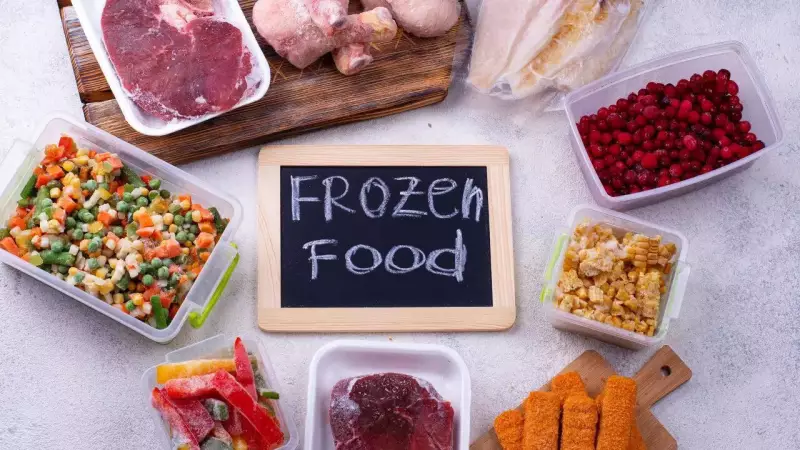
While fresh produce is often seen as the gold standard, heart and nutrition specialists are now highlighting a convenient alternative: frozen foods. Contrary to popular belief, frozen options can be just as nutritious, if not more so in some cases, and offer significant practical advantages. The rapid freezing process effectively locks in vital antioxidants, vitamins, and minerals, preserving the food's health benefits. This is a notable advantage over fresh produce, which can gradually lose nutrients during extended storage and transportation.
Beyond nutrition, frozen foods reduce kitchen preparation time and help cut down on food waste, making it easier to maintain a heart-conscious diet consistently. Experts advocate that including these convenient items can be a smart strategy for lowering the risk of serious conditions like heart disease, stroke, and high blood pressure, while supporting the health of all vital organs.

Top Frozen Picks for a Stronger Heart
Not all frozen foods are created equal. Here are some of the best choices recommended by health experts for their proven cardiovascular benefits.
Frozen Berries: Antioxidant Powerhouses
Frozen raspberries, blueberries, strawberries, and blackberries are rich in antioxidants and protective phytochemicals. The freezing process specifically preserves compounds like anthocyanins and phenolics, which are known to reduce inflammation, support healthy blood vessels, and lower risks of hypertension and atherosclerosis. Easily added to smoothies, yogurt, or oatmeal, they provide year-round access to these vital nutrients.
Frozen Spinach: For Better Blood Flow
Frozen spinach is a heart-healthy champion due to its high nitrate content. Nitrates help relax blood vessels, improving circulation and supporting healthy blood pressure levels. It's also a great source of vitamins A, C, and K, iron, and fibre. The pre-washed and chopped frozen form makes it simple to toss into dals, soups, omelets, or pasta dishes, ensuring a regular intake of essential leafy greens.
Frozen Salmon: Omega-3 Essential
Fatty fish like salmon are renowned for their high levels of omega-3 fatty acids, which are crucial for heart health. These fats help reduce triglycerides and lower inflammation throughout the cardiovascular system. Frozen salmon retains these nutrients and offers a quick, high-quality protein source. Large-scale population studies confirm that regular consumption of fatty fish is linked to a reduced risk of heart attack and stroke.
Frozen Edamame: Plant-Based Support
These young soybeans are packed with plant protein, soluble fibre, and potassium. The soluble fibre actively helps lower LDL ("bad") cholesterol, while potassium is key for maintaining healthy blood pressure. Frozen edamame is simple to prepare and can be added to salads, stir-fries, or enjoyed as a seasoned snack, offering a solid plant-based boost for heart and metabolic health.
Simple Ways to Add Frozen Foods to Your Meals
Incorporating these items into your daily routine requires minimal effort. Frozen vegetables can go straight from the bag into soups, stews, or grain bowls. Berries are perfect for quick breakfasts or desserts. Frozen fish can be thawed rapidly for a nutritious dinner, and edamame adds a fibre and protein punch to any dish. This convenience makes sticking to a heart-protective diet achievable for even the busiest individuals.
Disclaimer: This article is intended for informational purposes only and is not a substitute for professional medical advice, diagnosis, or treatment. Always seek the guidance of a qualified healthcare provider before making any changes to your diet or lifestyle, particularly if you have pre-existing heart conditions or other health concerns.