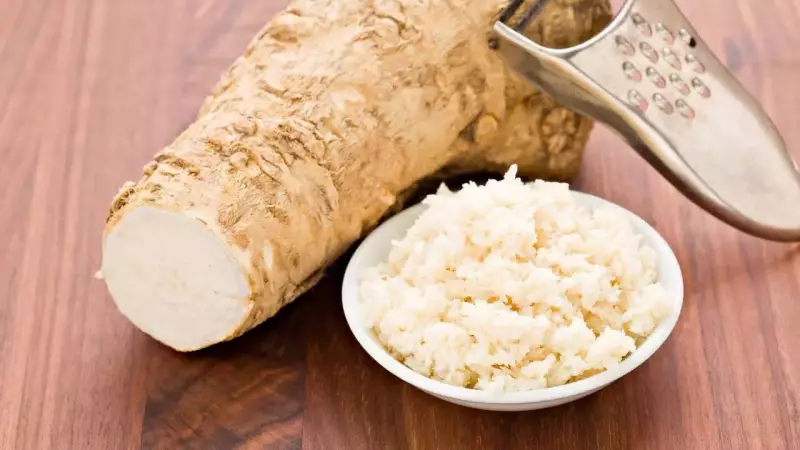
Often relegated to the role of a fiery condiment next to roast beef, horseradish is a root vegetable with a legacy that stretches far beyond the dining table. This pungent root, a member of the mustard family, has been a staple in both kitchens and traditional medicine cabinets for centuries. Its sharp, sinus-clearing aroma is a hallmark, but beneath that lies a powerhouse of nutrients and bioactive compounds offering significant health advantages.
What Exactly Is Horseradish?
Horseradish is a hardy root vegetable, scientifically related to wasabi, mustard, and broccoli. It thrives in cooler climates and is typically planted in early spring or late autumn. The name itself has a curious European origin; it derives from the German "meerrettich" (sea radish), which was later anglicised to "horseradish."
Most commonly, it is consumed as a prepared sauce. This sauce is made by grating the fresh root and mixing it with vinegar to preserve its pungency and halt the enzymatic reaction that creates its heat. Sometimes, creamy elements like sour cream or mayonnaise are added for a milder, dressing-like consistency, perfect for sandwiches, burgers, and as a dip.

A Nutritional Powerhouse in Small Servings
Horseradish is remarkably low in calories but dense in essential micronutrients. A single tablespoon of prepared horseradish contains just about 7 calories, along with small amounts of carbohydrates, fibre, and protein.
However, the fresh root is where the nutritional profile truly shines. One cup of freshly grated horseradish provides a substantial boost. It contains approximately 150 calories, 14 grams of fibre, 6 grams of protein, and is an excellent source of vitamin C, potassium, calcium, magnesium, and zinc. This makes it a valuable addition for boosting daily nutrient intake. A word of caution: store-bought sauces can be high in sodium, so mindful consumption is key, especially for those monitoring blood pressure.
Key Health Benefits Backed by Science
The real magic of horseradish lies in its unique phytochemicals. These compounds are responsible for its sharp taste and its therapeutic potential.
1. Fights Inflammation and May Protect the Heart: Horseradish contains sinigrin, a glucosinolate that breaks down into anti-inflammatory compounds. Research suggests these may help modulate immune response and could potentially benefit conditions like atherosclerosis, though more human studies are needed.
2. Possesses Antioxidant and Anti-Cancer Properties: Rich in antioxidants, horseradish helps neutralise harmful free radicals, protecting cells from oxidative damage. Preliminary laboratory studies indicate that extracts from horseradish may inhibit the growth of cancer cells in the colon, lung, and stomach, paving the way for further research.
3. Supports Respiratory Health Naturally: That familiar burning sensation in your sinuses after a bite of horseradish is more than just a feeling. The pungent vapours can help clear congestion. Clinically, horseradish supplements combined with nasturtium have been found effective in treating acute sinusitis and bronchitis.
4. Exhibits Antibacterial and Antifungal Action: The root is rich in isothiocyanates, which have demonstrated natural antibacterial and antifungal properties. These may help combat pathogens responsible for food poisoning, stomach ulcers (like H. pylori), and even some skin infections.
5. Aids Digestion: The same compounds that stimulate digestion may also support a healthy gut environment by combating harmful microbes.
How to Incorporate Horseradish Into Your Meals
Adding horseradish to your diet is simple and versatile. Fresh root can be peeled, grated, and used immediately. To make a basic prepared horseradish, grate the root, place it in a jar, and cover with a mixture of vinegar and cold water, adding a pinch of salt before refrigerating.
For a creamy sauce, mix prepared horseradish with sour cream, a dash of lemon juice, and herbs. Use it as a zesty spread for sandwiches, a dip for grilled meats and fish, or stirred into mashed potatoes for a flavour kick. Fresh horseradish can also be boiled, sautéed, or roasted alongside other root vegetables like potatoes and beets.

For those seeking a convenient option, horseradish is also available in supplement capsule form, with a typical recommended dosage of 500 to 1500 milligrams taken with water, up to three times daily.
Important Precautions and Side Effects
While horseradish is safe for most adults in culinary amounts, moderation is crucial. Overconsumption can lead to stomach upset, vomiting, or excessive sweating. It is strongly advised that certain groups avoid it:
- Children under four years of age.
- Pregnant or breastfeeding individuals.
- People with thyroid disorders, as it may interfere with thyroid function.
- Individuals with digestive inflammatory conditions like Crohn's disease, ulcerative colitis, stomach ulcers, or inflammatory bowel disease (IBD), as it can irritate the digestive tract.
Always store prepared horseradish in the refrigerator, where it can last up to three months, while homemade creamy sauces should be consumed within three days for best quality and safety.