At first glance, deserts appear as vast, barren expanses of dry land, scorched by a relentless sun and starved of water. Yet, for centuries, human communities have not only survived but thrived in these challenging environments. The secret to their sustenance lies in a remarkable group of plants that have mastered the art of survival, producing fruits that are far from a luxury—they are a lifeline.
Nature's Ingenious Survival Strategies
What enables certain plants to bear fruit where most life struggles? The answer lies in a suite of extraordinary adaptations. Unlike typical crops, these desert survivors do not depend on frequent rainfall. Instead, they have evolved deep root systems that probe far underground to tap into hidden water reserves. Some species, like cacti, store precious moisture within their thick, fleshy stems. Others protect their resources with tough, waxy skins that dramatically slow down water loss.
Their growth cycle is a lesson in patience and efficiency. These plants grow slowly and can enter a state of dormancy during periods of extreme heat or drought. They bide their time, conserving every possible resource. When conditions briefly improve—perhaps after a rare rainfall—they seize the opportunity to flower and produce fruit. This careful, strategic balance between growth and conservation is the key to their existence in one of Earth's most unforgiving habitats.

Six Staple Fruits of Arid Lands
From the iconic date palm to the hardy desert fig, specific plants have become synonymous with desert agriculture and foraging. Here are six crucial fruit-bearing plants that have sustained populations across arid regions, including parts of India.
Date Palm: Towering and graceful, the date palm is perhaps the most recognized desert fruit tree. It tolerates intense heat remarkably well, provided its extensive roots can access groundwater. Dates are energy-dense, sweet, and perfect for drying and storing, making them a year-round staple food, not just a seasonal treat, for many desert dwellers.
Prickly Pear Cactus: This cactus thrives where almost nothing else can. Its large, flat pads are designed to store water for extended periods. The fruit, protected by a spiny and tough outer skin, reveals a moist, flavorful interior. It is consumed fresh or processed into refreshing drinks, jams, and other preserves, often growing wild with minimal human intervention.
Ber Tree (Indian Jujube): A common sight in the drier parts of India, the ber tree flourishes in poor soil under the strong sun. It requires neither rich land nor regular watering. Once established, it is largely self-sufficient. The small fruit turns sweet upon ripening and continues to produce reliably even during parched years, providing a critical source of nutrition.
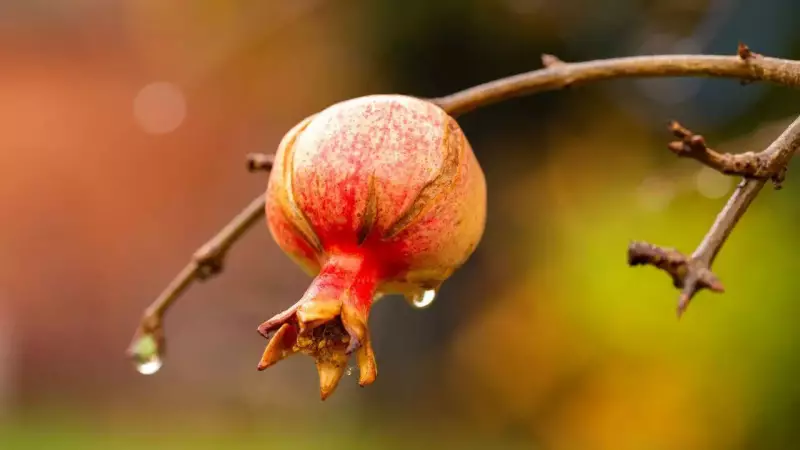
Pomegranate: Well-suited to hot climates, the pomegranate plant can survive on limited water. Its fruit comes with a built-in preservation system: a thick, leathery rind that shields the juicy arils inside. This natural packaging allows pomegranates to be stored for longer durations, a vital advantage in regions where access to fresh fruit can be inconsistent.
Capparis Plant (Caper Bush): Often found spreading low across rocky, arid ground, the capparis plant asks for very little. Its flower buds (capers) and berries are harvested, then typically pickled or preserved for use as a tangy flavoring in various cuisines. Many of these plants grow wild, requiring no formal cultivation.
Desert Fig: Hardier than its common cousin, the desert fig grows in rocky, infertile soils with scant water. The fruits may be smaller but are notably sweet. Communities have enjoyed them for generations, eating them fresh when in season or drying them for consumption throughout the year, ensuring a durable food supply.

A Testament to Resilience and Adaptation
The existence of these fruit-bearing plants in deserts is a powerful testament to nature's resilience. They demonstrate that even the harshest landscapes can offer sustenance when life adapts ingeniously. By growing slowly, conserving every drop of water, and perfectly timing their life cycles, these plants provide essential nutrition and have shaped the food culture of desert communities for millennia. Their story is not just about botany; it's about human ingenuity and the enduring relationship between people and a challenging environment.
Disclaimer: This content is intended purely for informational use and is not a substitute for professional medical, nutritional or scientific advice. Always seek support from certified professionals for personalised recommendations.