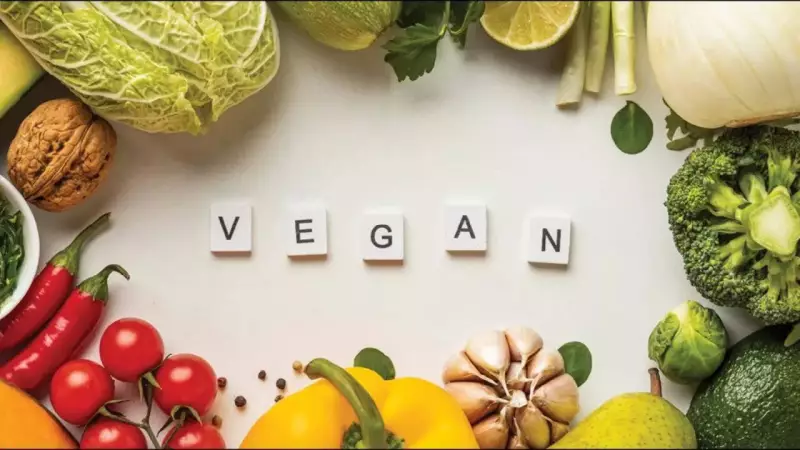
As 2026 approaches, a wave of New Year's resolutions is forming, with a significant number of individuals considering a profound shift in their lifestyle: adopting veganism. This move, driven by health consciousness, environmental concerns, or animal welfare, is poised to be a major trend. While the decision to eliminate all animal products can be deeply rewarding, it represents a substantial lifestyle change that extends beyond the plate, influencing shopping habits, social interactions, and daily routines.
Beyond the Diet: Understanding Your Core Motivation
Veganism is fundamentally more than a dietary choice; it is a lifestyle anchored in personal ethics. Your driving force could be a commitment to animal rights, a desire to significantly reduce your carbon footprint, or a goal to improve personal health metrics like heart function and weight management. Clarifying your 'why' is crucial as it serves as an anchor during challenging moments, such as navigating limited restaurant menus or social gatherings.
While studies link well-planned vegan diets to benefits like improved cardiovascular health, lower diabetes risk, and reduced rates of certain cancers—primarily due to higher fiber and lower saturated fat intake—the label 'vegan' alone is not a health guarantee. The market is flooded with processed vegan junk food. Therefore, the emphasis must remain on consuming whole, nutrient-dense plant foods to reap the true benefits.

Strategic Nutrition: The Non-Negotiable Planning Phase
A successful transition demands careful nutritional planning. Certain nutrients abundant in animal products require mindful sourcing in a vegan diet. Foremost among these is Vitamin B12, essential for nerve function and blood cell formation, which is not naturally present in plant foods. Reliable sources include fortified plant milks, breakfast cereals, or a dedicated supplement.
Other critical nutrients need strategic pairing:
- Iron: Found in lentils, beans, and spinach, but its plant-based form (non-heme iron) is less readily absorbed. Consuming these with Vitamin C-rich foods like oranges, tomatoes, or bell peppers can enhance absorption.
- Calcium and Vitamin D: Traditionally sourced from dairy, these can be obtained from fortified plant milks and juices, tofu set with calcium, leafy greens, and sensible sun exposure.
- Omega-3 Fatty Acids: Vital for brain and heart health, these can be sourced from chia seeds, flaxseeds, walnuts, and algae-based supplements.
Neglecting this planning can lead to fatigue, weakness, and other deficiencies. Consulting a nutritionist or dietitian before starting is highly recommended to create a personalized and balanced approach.
Embracing Culinary Diversity: The World of Plant-Based Foods
The misconception of vegan food being bland or limited is far from reality. A plant-based diet opens up a vibrant world of ingredients: protein-rich tofu, tempeh, and seitan; fiber-packed beans, lentils, and whole grains; and a vast array of nuts, seeds, fruits, and vegetables. The key is variety and experimentation. Popular and nutritious options include hearty bean curries, quinoa bowls, colorful veggie stir-fries, creamy hummus, and protein-packed smoothies. Diversifying your plate not only prevents boredom but also ensures a broader spectrum of nutrients.
The Smart Use of Supplements and Fortified Foods
There is no stigma in using supplements to fill nutritional gaps that are challenging to address with food alone. Vitamin B12 supplementation is considered essential for nearly every vegan. Depending on your location and sun exposure, Vitamin D supplements may also be necessary. Fortified foods—such as plant milks, cereals, and nutritional yeast—are valuable tools for meeting daily requirements. The optimal strategy is to prioritize whole foods first, use fortified products strategically, and add specific supplements based on individual needs, ideally guided by a healthcare professional and periodic blood tests.

Building a Support System and Practicing Self-Compassion
The journey is rewarding but comes with practical hurdles. While vegan options are more common, dining out and attending events still require forethought. You will become adept at reading ingredient lists and communicating your dietary choices. Finding a community is invaluable. Online forums, local vegan meetups, and social media groups offer spaces to share recipes, seek advice, and find encouragement. It is vital to approach the transition with realism and self-compassion. Perfection is not the goal; progress is. Occasional mistakes or cravings are part of the process. The focus should be on continuous learning and commitment to the broader lifestyle choice.
Embarking on a vegan lifestyle in the New Year is a significant, positive step. With proper planning, nutritional awareness, and a supportive mindset, the transition can be a healthy, sustainable, and fulfilling journey into 2026 and beyond.