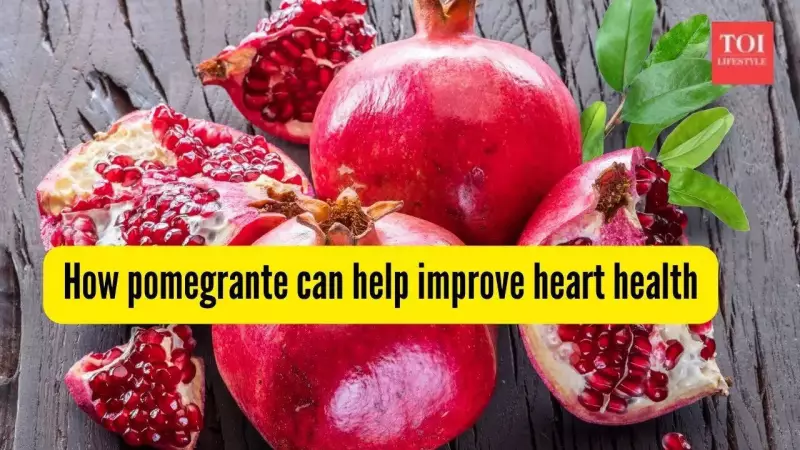
For those seeking natural ways to support cardiovascular health, the ruby-red pomegranate often shines as a beacon of hope. Packed with potent antioxidants, this fruit has been linked to impressive benefits like reduced arterial plaque and improved blood pressure. However, medical experts and scientific studies caution that it is not a standalone shield against heart attacks, which are caused by a complex interplay of factors.
The Science Behind the Seed: How Pomegranate Aids the Heart
Pomegranates are a nutritional powerhouse, brimming with unique polyphenol antioxidants like punicalagins and ellagic acid. These compounds play a crucial role in combating oxidative stress, a key driver of many chronic diseases, including heart disease. A primary mechanism of action is their ability to protect LDL ("bad") cholesterol from oxidation, a critical step in the development of atherosclerosis, where plaque builds up inside arteries.
Research provides compelling evidence for its supportive role. One significant study found that consuming pomegranate juice or extract daily for a year reduced carotid intima-media thickness (a measure of arterial plaque) by up to 35% compared to a placebo. Other human trials indicate trends toward improved arterial elasticity and better blood pressure and cholesterol profiles, especially in at-risk individuals. Animal studies further corroborate these findings, showing less coronary atherosclerosis and inflammation with pomegranate supplementation.

A daily intake of about 240 mL of juice has been used in studies to observe these benefits. One whole pomegranate yields roughly a cup of arils (seeds), delivering a substantial 20–30 grams of antioxidants. However, experts emphasize that these positive effects are supportive, not guaranteed, and require consistent consumption over months alongside an overall healthy lifestyle.
Beyond the Hype: Critical Limitations and Necessary Precautions
While the research is promising, claims that pomegranate alone can prevent heart attacks overstate the findings. Cardiovascular health is multifaceted, and the fruit's benefits are maximized only when integrated into a regimen of good diet, regular exercise, and management of other risk factors like smoking and stress.
Certain groups need to exercise particular caution. Individuals with kidney issues should be wary due to the fruit's high oxalate content and should consult a doctor before consuming it. Those on blood-thinning medications must also seek medical advice as pomegranate may interact with these drugs. Although rare, some people may have allergies to the fruit.
Avoiding Common Mistakes That Destroy Nutritional Value
To truly reap the heart-protective rewards of pomegranate, it's essential to consume it correctly. Many common practices inadvertently strip away its benefits or introduce new health risks.
Storage and Preparation Errors: Store whole fruits in a cool, dry place or the refrigerator; leaving them on the counter for weeks degrades vital nutrients. Cut fruits should be consumed immediately, as exposing the arils to air accelerates oxidation. Avoid eating the bitter rind, which is tough on digestion.
Consumption Pitfalls: Moderation is key, as overeating leads to excess sugar intake (about 24 grams per fruit); not more than one daily is recommended for maximum benefit. Opting for fresh arils over juice retains essential fiber and polyphenols—straining juice discards these. Avoid cooking or heating it with unhealthy ingredients, such as in sugar-laden chaats or alcoholic cocktails like vodka mixes.
Practical Tips for Daily Inclusion
Integrating pomegranate into your diet can be simple and delicious. Select fruits that feel heavy for their size and have bright, unblemished red skin. The arils can be easily sprinkled over salads, mixed into yogurt, or added to morning oatmeal for a nutritious boost.

For a quick, heart-healthy recipe, try an Easy Pomegranate Super Salad. In a large bowl, combine the arils of one pomegranate with the juice of one lemon, a teaspoon of olive oil, two teaspoons each of toasted walnuts, crumbled feta cheese, chopped cucumber, and overnight-soaked sprouts. Add your choice of salad leaves, season with salt, drizzle with mustard paste or kasundi, and mix well.
Ultimately, the pomegranate is a powerful ally for heart health, but it is part of an ensemble cast, not a solo hero. Its true potential is unlocked when paired with a balanced diet rich in vegetables and whole grains, regular physical activity, and proactive medical care.