Most of us don't think too hard about flour. You pick up the usual brand at the kirana or the supermarket, and that's that. It gets used for rotis, parathas, maybe a batch of pooris on Sunday morning. But there's something quietly important happening inside that packet that's worth knowing about.
The difference between stone-ground flour and roller-milled flour isn't just a marketing story. It goes right to the heart of what you're actually feeding your family.
What Roller Milling Does to Your Grain
Modern flour production is built for speed and shelf life. Roller milling is efficient, consistent, and produces that fine, bright white flour we've grown up associating with "good quality." But that process strips away the bran and the germ, the two most nutritionally valuable parts of the wheat kernel.

The result? Flour that lasts longer on a shelf, sure. But flour that's been hollowed out of much of what made it worth eating in the first place.
What Stone Grinding Actually Preserves
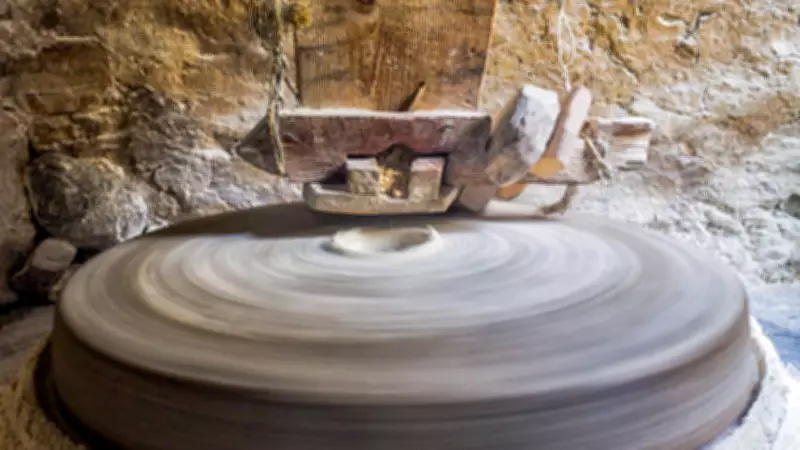
Stone-ground flour works differently. The whole grain, bran, germ, endosperm, all of it goes through the process together. And that matters more than most people realise.
As Dr. Anju Sood, Nutritionist at 10on10 Foods, puts it: "From a nutrition perspective, stone-ground flour generally retains more of the grain's natural goodness than highly processed flour because the entire wheat kernel, including the bran, germ and endosperm is preserved. The bran is particularly important as it is rich in dietary fibre, B vitamins and essential minerals that support digestive and overall health."
So when you're making your morning roti with stone-ground atta, you're getting fibre that actually does something for your gut, B vitamins that support your metabolism, and minerals your body needs.
The Heat Problem
The temperature at which flour is milled affects its quality just as much as the method itself. Roller milling generates significant heat. And heat isn't great for flour. It can damage the natural oils in the germ, affect flavour, and degrade some of the more delicate nutrients. Stone grinding, done right, runs cooler.
Dr. Sood explains it clearly: "Stone grinding at a controlled RPM allows the flour to remain at a more natural temperature during the grinding process, avoiding excessive heat generation that can affect the grain's natural flavour, aroma and nutritional integrity."
Whole grain flour contains natural oils and oils go stale. The longer flour sits in a warehouse or on a supermarket shelf, the more those oils oxidise and the more the flour loses its natural flavour and some of its freshness-dependent nutrients. Dr. Sood is direct about this: "Freshly milled flour, made from quality whole grains and minimally processed, offers better nutritional value, taste and texture, making it a healthier everyday choice for Indian households."
That's why freshly milled stone-ground flour often tastes noticeably better. Nuttier, earthier, more like something real. So next time you reach for that bag of atta, it's worth asking a simple question: what's still inside it?