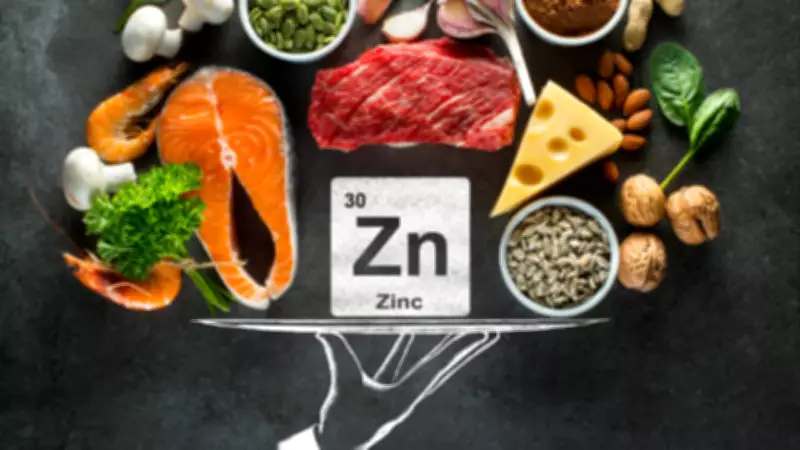
Many people do not realize they are lacking zinc until their skin breaks out, hair begins thinning, or they catch every cold that circulates. The problem is that most individuals are not consuming enough zinc in their diet, and they remain unaware of which foods actually deliver what their body requires.
Understanding Zinc Requirements
According to Teresa Fung, a registered dietitian and adjunct professor of nutrition at the Harvard School of Public Health, the solution is straightforward: "Since we cannot produce zinc as an element, we have to eat it." The recommended daily zinc intake is 11 milligrams for adult men and 8 milligrams for adult women, with higher amounts needed during pregnancy and lactation. However, knowing the numbers is not helpful if no one knows which foods actually contain that amount.
Shellfish: The Ultimate Zinc Source
Oysters are the zinc champion, containing more zinc per serving than virtually any other food available. Crab and lobster also deliver substantial amounts of the mineral, making shellfish the fastest shortcut to meeting daily zinc requirements. For individuals seeking maximum mineral content in minimal servings, these options are unbeatable.

Beef and Poultry
Beef is where most people actually obtain their zinc. It is accessible, affordable, and widely consumed. Poultry such as chicken and turkey also contribute to zinc intake, though at lower levels than beef. The advantage of animal sources is significant—the body absorbs zinc from meat far more efficiently than from plant-based sources, so people do not need to eat as much to meet their daily requirements.
Seeds: Plant-Based Powerhouses
Pumpkin seeds are the plant-based option that delivers real results. They are portable, require no preparation, and can be added to salads, eaten as snacks, or sprinkled on almost anything. Sesame seeds work similarly for those who consume tahini or want to boost meals with minimal effort.
Nuts for Zinc
Cashews and almonds are underrated sources of zinc. Most people assume nuts are just fat, but they are genuinely rich in this essential mineral. A small handful provides real nutritional benefit, not just empty calories.
Dairy Products
Cheddar cheese contains surprising amounts of zinc. Dairy products in general contribute meaningfully to daily zinc intake, making cheese one of the easier ways to boost mineral consumption without overthinking it.
Whole Grains and Fortified Cereals
Whole grains and fortified cereals round out the picture. Fortified cereals vary widely in zinc content, so checking labels is important. Whole grains provide steady, reliable zinc levels without requiring any special preparation.
The difference is noticeable. People who incorporate these foods into their regular rotation typically see their skin clearing up and hair strengthening within weeks. It is not magic—it is simply the body getting what it actually needs to function properly.