The district has recorded 29 cases of dengue and 16 cases of chikungunya as seasonal illnesses increase, according to health officials. Despite the recent uptick, authorities emphasize that the overall dengue burden is significantly lower compared to previous years.
Current Case Numbers and Context
Data released on July 1, 2026, shows the district reported 29 dengue and 16 chikungunya cases during the current seasonal spike. While these numbers indicate a rise in vector-borne diseases, officials point out that the figures are not alarming when viewed against historical trends. "The overall dengue burden remains significantly lower than in previous years," a health department official stated.
Comparison with Previous Years
The official attributed the relatively low numbers to proactive measures taken by the district health authorities, including increased surveillance and vector control activities. In previous years, the district has seen hundreds of dengue cases during the monsoon season, making the current figures a positive sign.

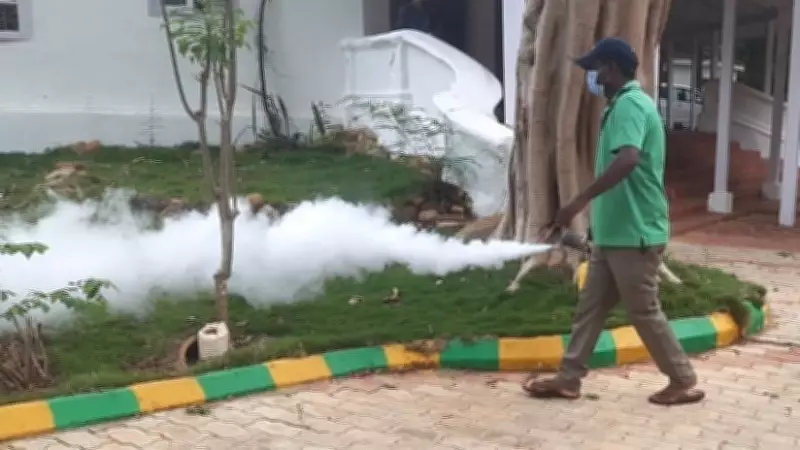
Health officials continue to monitor the situation closely and urge residents to take preventive measures, such as eliminating stagnant water and using mosquito repellents. The district has also ramped up fogging operations in affected areas.
Public Health Advisory
Residents are advised to seek medical attention if they experience symptoms like high fever, severe headache, joint pain, or rash. Early diagnosis and treatment are crucial for managing both dengue and chikungunya. The health department has assured that adequate medical supplies and beds are available at government hospitals.
The seasonal rise in illnesses is not unexpected, as monsoon conditions create breeding grounds for mosquitoes. However, the lower caseload compared to previous years suggests that ongoing public health campaigns and interventions are yielding results.