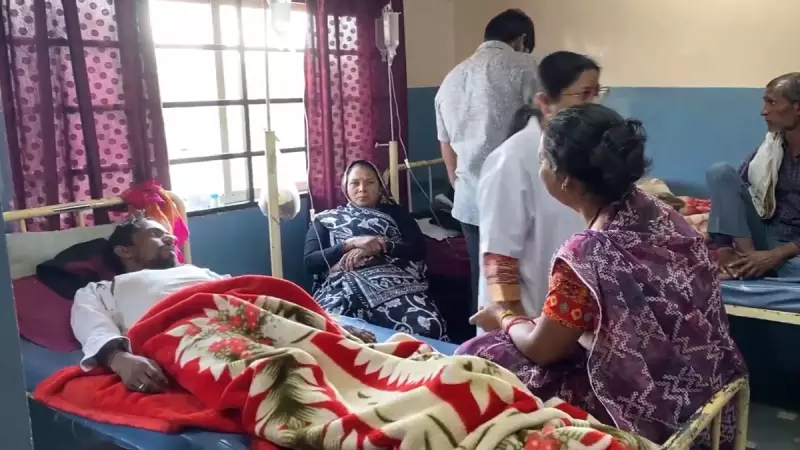
A suspected case of water contamination has led to a public health scare in Indore, with at least 32 people falling ill and requiring hospital admission. The incident, which came to light on Monday, December 30, 2024, has prompted an urgent response from local health and civic authorities.
Outbreak Details and Immediate Response
The victims, all residents of the Nipania area located on the outskirts of Indore, began reporting severe symptoms including vomiting, diarrhea, and stomach cramps. The sudden onset and common locality quickly pointed towards a contaminated water supply as the likely culprit. All affected individuals were promptly admitted to the Sri Aurobindo Institute of Medical Sciences (SAIMS) for treatment and observation.
Upon receiving information about the cluster of illnesses, the district health administration swung into action. A team of officials, led by Dr. BS Saitya, the Chief Medical and Health Officer (CMHO) of Indore, visited the hospital and the affected area to investigate the source of the outbreak. Initial suspicions are firmly centered on contaminated drinking water, though the exact contaminant is yet to be officially identified.

Investigation and Official Actions
The health department's investigation is proceeding on multiple fronts. Officials have collected water samples from the homes of the affected patients and from the local supply lines for thorough laboratory testing. These tests are crucial to confirm the presence of harmful bacteria or chemicals and to pinpoint the origin of the contamination.
Simultaneously, the Indore Municipal Corporation (IMC) has been alerted. Municipal teams are inspecting the local water infrastructure in the Nipania area, checking for possible breaches, leakages, or mixing of sewer lines with potable water lines, which are common causes of such outbreaks. The health condition of all 32 patients is reported to be stable under medical care at SAIMS hospital.
Public Health Implications and Precautions
This incident highlights the persistent vulnerability of urban water systems and the rapidity with which waterborne diseases can spread. While the immediate situation is under control, it has caused significant anxiety among residents in the locality and across the city.
Health authorities have advised residents in the affected and adjoining areas to take immediate precautions:
- Boil drinking water thoroughly before consumption until further notice.
- Avoid using tap water directly for drinking or preparing food.
- Be vigilant about symptoms like stomach pain, loose motions, and fever, and seek medical help immediately if they appear.
The administration has assured the public that updates will be provided as soon as the water test results are available. A definitive cause will guide further corrective actions, which may include sanitizing the water supply network and issuing health advisories on a wider scale. This event serves as a critical reminder for continuous monitoring of water quality in urban centers to prevent such public health emergencies.