

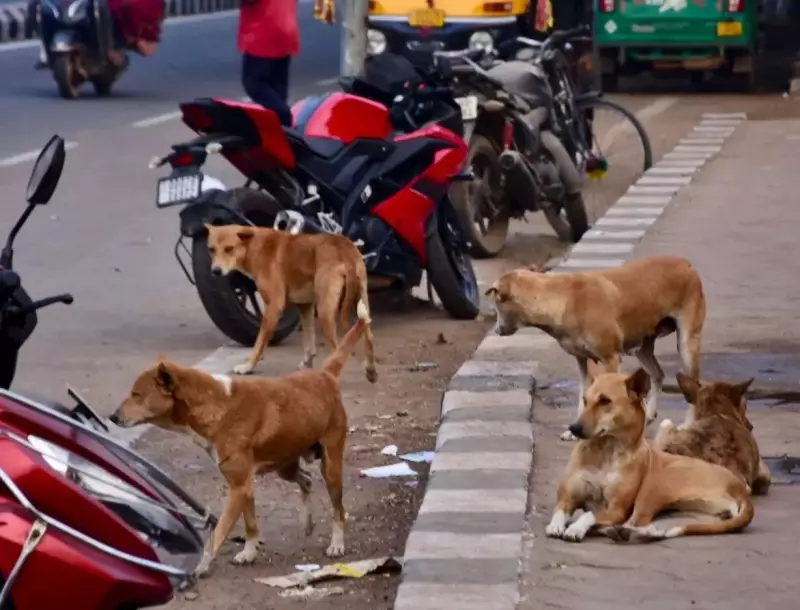
Bhubaneswar Launches Major Drive to Vaccinate Stray Dogs
The Bhubaneswar Municipal Corporation (BMC) has taken a decisive step to protect public health. It signed a tripartite agreement with key partners to vaccinate approximately 43,000 stray dogs in the state capital. This ambitious project must complete within two months.
Partners Join Forces for Rabies Prevention
The BMC collaborated with the College of Veterinary Science and Animal Husbandry at OUAT. It also partnered with Worldwide Veterinary Service and Mission Rabies India. Together, they aim to create a safer urban environment.
This move comes directly after a Supreme Court warning. The court stated it would impose heavy compensation on states where dog bites lead to injury or death. The BMC acted swiftly to address this concern.

Operational Plan for Mass Vaccination
Fifteen dedicated teams will carry out on-site vaccinations across the city. Each team has a clear daily target: vaccinate 50 dogs. Officials report that 5,000 dogs have already received rabies vaccines during their quarantine at kennels.
This previous vaccination occurred in phases since the start of the Animal Birth Control (ABC) programme. Urban local bodies managed that effort. No separate, dedicated vaccination drive for stray dogs existed until now.
Methodology and City Commitment
Teams will capture dogs using nets in areas where the animals commonly roam. They will administer the vaccine and then release the dogs immediately at the same location. The dogs will not relocate to other places.
BMC Mayor Sulochana Das explained the initiative's goal. "This aims to achieve a rabies-free city through mass anti-rabies vaccination of stray dogs," she said. "It strengthens public health and animal welfare across Bhubaneswar."
The Memorandum of Understanding (MoU) focuses on strengthening several areas. It aims to improve rabies prevention, surveillance, diagnostics, and response mechanisms. Structured technical and scientific interventions will support these goals.
Capacity Building and Timeline
Dr. Debi Prasad Kund, the designated veterinarian in-charge of the ABC programme, outlined the plan. "Through the MoU, we will enhance institutional capacities of BMC through training, SOP development, and field operation," he stated.
The mass vaccination drive has a fixed schedule. It will start in the first week of March and conclude by the end of May.
Technical Support and Community Involvement
Mission Rabies India and Worldwide Veterinary Service will serve as technical partners and strategic advisers. Their support covers surveillance, public education, and mobile-based app development. They will also provide substantial logistical support for the entire project.
Dr. Kund added that veterinary interns from OUAT will participate in this special drive. Their involvement brings fresh expertise to the field.
Complementary Measures for Stray Dog Management
Just two days before this announcement, the BMC made another important decision. It plans to introduce guidelines to regulate stray dog feeding. The corporation will identify designated feeding points in consultation with local corporators and Resident Welfare Associations (RWAs).
Senior BMC officials have instructed zonal deputy commissioners to scout for suitable locations. These dog-feeding zones must consider the concentration of the canine population and the convenience of local residents.
This comprehensive approach shows Bhubaneswar's commitment to tackling the stray dog issue holistically. It combines immediate vaccination with longer-term management strategies.






