

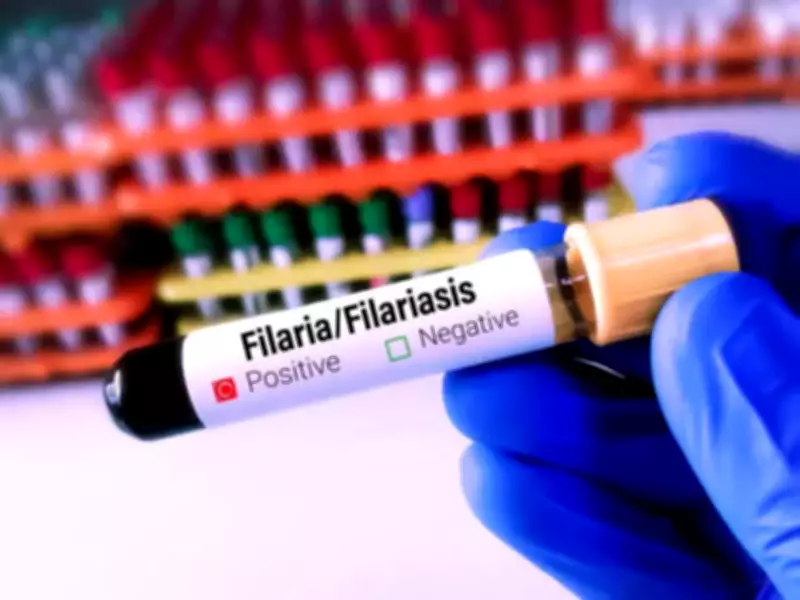
Bihar Launches Ambitious Mass Drug Drive to Eradicate Filariasis
In a significant public health initiative, Bihar State Health Minister Mangal Pandey officially launched the state's comprehensive Mass Drug Administration (MDA) drive on Wednesday. The primary objective of this extensive campaign is the complete elimination of filariasis, commonly known as elephantiasis, from the region.
Unprecedented Scale and Immediate Impact
The campaign aims to administer anti-filarial medications to an astonishing 1.5 crore people in a single day through a network of 40,000 Anganwadi centers across the state. Demonstrating remarkable early success, the first day of the drive saw over 1.20 crore individuals receiving the crucial medication.
This ambitious public health operation is scheduled to run from February 10 to February 28, with a total target population of 8.93 crore people. The campaign will cover 396 blocks spread across 34 districts of Bihar, utilizing the expertise of 38,215 specially trained drug administrators who will conduct both booth-based and door-to-door coverage to ensure maximum reach.

District-Specific Treatment Protocols
The treatment protocol has been carefully tailored according to district requirements. In 19 specific districts, beneficiaries will receive a combination of Albendazole and DEC (Diethylcarbamazine). These districts include:
- Banka
- Gopalganj
- Bhagalpur
- Jehanabad
- Kaimur
- Katihar
- Khagaria
- Munger
- Sitamarhi
- Siwan
- Supaul
- East Champaran
- West Champaran
- Madhubani
- Nalanda
- Nawada
- Bhojpur
- Buxar
- Patna
Meanwhile, residents of 15 other districts will receive a more comprehensive regimen consisting of Albendazole, DEC, and Ivermectin. These districts are:
- Arwal
- Aurangabad
- Begusarai
- Gaya
- Jamui
- Muzaffarpur
- Saharsa
- Saran
- Sheikhpura
- Sheohar
- Vaishali
- Darbhanga
- Lakhisarai
- Purnia
- Samastipur
The Serious Impact of Filariasis
Health Secretary Lokesh Kumar Singh emphasized the critical nature of this public health challenge, describing filariasis as a mosquito-borne disease that represents one of the leading causes of long-term disability worldwide. The disease can lead to severe medical conditions including hydrocele, lymphoedema, and chyluria (characterized by milky urine).
Beyond the physical symptoms, filariasis often results in significant social stigma, loss of livelihood opportunities, and reduced productivity among affected individuals, creating a multifaceted challenge for public health authorities.
Safety Protocols and Eligibility Guidelines
The campaign includes strict safety protocols requiring all eligible individuals to consume their medication in the presence of trained health workers. Important exceptions to this mass administration include children under two years of age, pregnant women, and individuals who are severely ill.
Health Minister Mangal Pandey provided crucial reassurance about medication safety, stating that the anti-filarial drugs are safe for people with common health conditions such as hypertension, diabetes, or arthritis. He explained that potential side effects like nausea or dizziness actually indicate the successful destruction of parasites within the body.
"Rapid response teams have been strategically deployed throughout the state to promptly manage any such cases that may arise during the administration process," Pandey added, highlighting the comprehensive preparedness of health authorities.
This massive public health initiative represents Bihar's determined effort to combat a disease that has plagued communities for generations, with the ultimate goal of creating a filariasis-free state through systematic medical intervention and community participation.






