

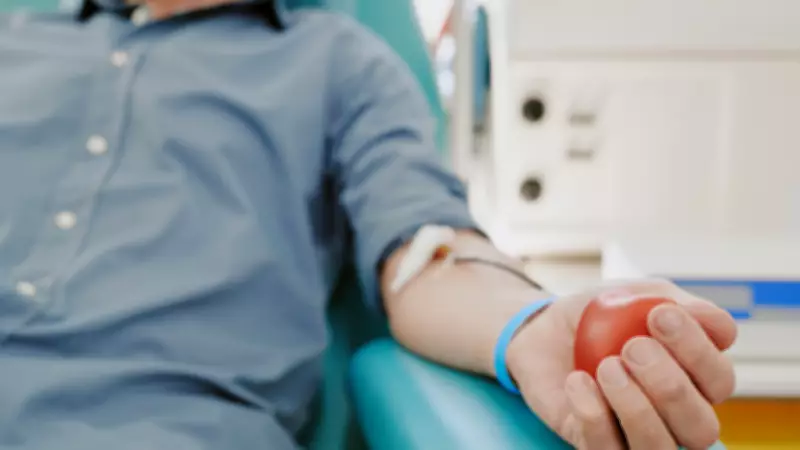
Modern medicine has achieved remarkable feats: replacing joints, transplanting organs, and using artificial intelligence for diagnosis. Yet, despite these advances, it cannot manufacture human blood. Every bag of blood in a hospital comes from a voluntary donor, making blood donation a unique act of public service. It cannot be factory-produced, imported in emergencies, or generated in a lab. When a patient needs blood, another human must have donated it.
The Critical Need for Blood
The demand for blood is immense and often underestimated. Blood is used daily in emergency surgeries, cancer treatments, childbirth complications, trauma care, organ transplants, and for patients with lifelong conditions like thalassemia. For many, blood is not just part of treatment—it is the treatment itself.
Ms Anubha Taneja Mukherjee, Member Secretary of Thalassemia Patient Advocacy Groups (TPAG), emphasizes that voluntary blood donation is not merely generous; it is a shared social responsibility that sustains healthcare systems and gives patients a chance at survival.

Blood Donation: A Daily Necessity, Not Just Emergency Response
Thousands of patients require routine transfusions. Children and adults with thalassemia often need blood every few weeks throughout their lives. Cancer patients may require transfusions during chemotherapy. The challenge is blood's limited shelf life—hospitals cannot stockpile it indefinitely. A unit used today must be replaced by another donor tomorrow. Experts stress that blood donation should be a regular habit, not just a crisis response.
Donors as Lifelines for Chronic Patients
For many, donating blood is a small act taking less than an hour. For recipients, it can mean another month with family, another birthday, or another chance to continue treatment. Every blood shortage risks delaying or compromising someone's treatment.
Ensuring Blood Safety: Quality Alongside Quantity
Encouraging donations is only part of the solution; ensuring blood safety is equally vital. Dr Sandeep Sewlikar, Vice President of Medical, Scientific and Regulatory Affairs at Roche Diagnostics India, explains: "Voluntary blood donation is crucial in India because our vast population generates massive daily demand, often leading to an annual shortfall of millions of units. Regular donors are irreplaceable lifelines for vulnerable patients. Healthcare professionals have a responsibility to ensure highest safety standards, including advanced screening like Nucleic Acid Testing (NAT) alongside standard protocols."
Blood donated in India is routinely screened for HIV, hepatitis B, hepatitis C, syphilis, and malaria. Health authorities continue strengthening quality assurance and blood safety programs nationwide. The goal is simple: every patient should receive blood that is both available and safe.
Blood Donation as an Investment in Public Health
A healthcare system with reliable blood supplies is more resilient, better prepared for emergencies, and capable of delivering timely treatment. Dr Sewlikar adds: "Doing what’s right for patients also benefits the economy. A study in the Indian Journal of Hematology and Blood Transfusion shows that adopting NAT nationwide could save an estimated ₹9,205 crore annually, proving cost-effective across every state and union territory." Better blood systems save lives, reduce healthcare costs, prevent complications, and strengthen public health infrastructure.
This article includes expert inputs from Ms Anubha Taneja Mukherjee, Member Secretary of Thalassemia Patient Advocacy Groups (TPAG), and Dr Sandeep Sewlikar, Vice President of Medical, Scientific and Regulatory Affairs at Roche Diagnostics India, shared with TOI Health.






