

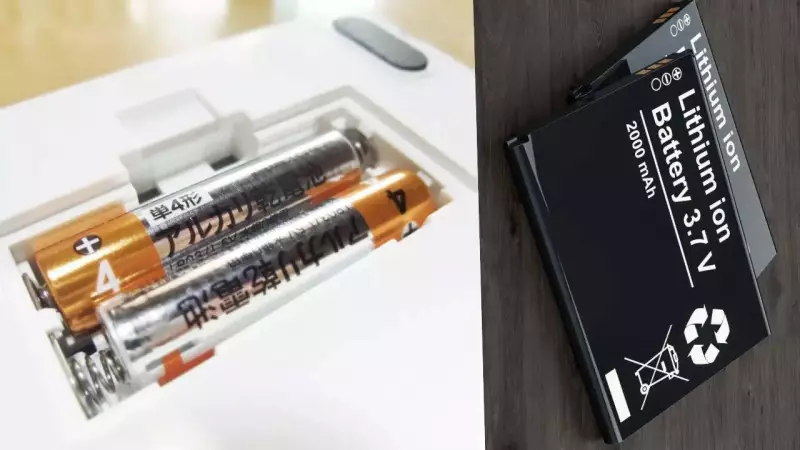
In an era where reuse and recycling are celebrated as eco-friendly habits, the idea of giving old batteries a second life might seem clever. However, this well-intentioned move can be dangerously misleading. A common misconception is that a battery which no longer powers a phone, toy, or remote is inert and safe. The reality is far more perilous.
The Hidden Dangers Lurking in 'Dead' Batteries
Old batteries rarely drain completely. Most retain a residual electrical charge. When the positive and negative terminals are accidentally bridged by common metal objects like coins, keys, or paper clips, a short circuit occurs. This generates intense heat rapidly, which can ignite surrounding materials or cause the battery itself to explode. The heat can also chemically break down the battery cells, releasing hazardous gases.
Beyond the fire risk, batteries are packed with a cocktail of harmful substances. Depending on the type, these can include corrosive acids, lead, mercury, cadmium, cobalt, and nickel. Over time, stored batteries can corrode and leak. These toxic chemicals can contaminate surfaces, soil, and groundwater. In homes, leaks can damage furniture and pollute indoor air, posing significant health risks, especially to children and pets.

How to Store Old Batteries Safely Before Recycling
If you cannot immediately take batteries to a recycling centre, safe short-term storage is crucial. Never toss loose batteries into a drawer or toolbox. Each battery should be individually placed in a separate plastic bag or have its terminals covered with non-conductive electrical tape. This prevents the terminals from contacting each other or other metallic items and creating a circuit. Store the taped or bagged batteries in a cool, dry place, away from flammable materials.
Which Batteries Can and Cannot Go in the Bin?
Disposal rules vary. In many areas, common single-use alkaline batteries (like AA, AAA, 9V) can be disposed of with regular household waste. However, rechargeable batteries are a different story. Batteries containing nickel-cadmium (NiCd), nickel-metal hydride (NiMH), or lithium-ion (Li-ion) must be kept out of general trash. This includes batteries from laptops, power tools, and mobile phones.
Batteries that always require special recycling include small button cells (common in watches and hearing aids), all rechargeable batteries, lithium-ion packs, and lead-acid car batteries. These must be taken to designated hazardous waste collection points or specialist recycling facilities. When thrown into landfills, their chemicals can leach out, poisoning groundwater and entering the food chain.
While creative DIY projects for old batteries circulate online, they often overlook critical safety protocols. Short circuits, toxic gas release, and exposure to heavy metals are real dangers. Professional recycling is the safest and most environmentally sound choice. It ensures valuable metals are recovered, pollution is minimised, and fire risks are eliminated—a process far beyond the scope of any home project. When in doubt, recycle; it's always better to be safe than sorry.






