








Politics

Mumbai Man Sets BJP Leader Kirit Somaiya's Office Nameplate on Fire Over Gym Closure
A man in Mumbai set fire to BJP leader Kirit Somaiya's office nameplate, with police linking the motive to an illegal gym closure dispute. The incident occurred in the Mulund area, and the suspect has been arrested.




World
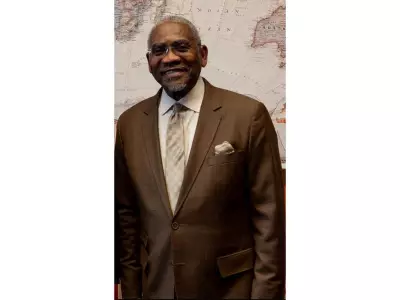
US Congressman Gregory Meeks Welcomes Ceasefire, Seeks Clarity from Trump
US Congressman Gregory Meeks has welcomed a recent ceasefire announcement while calling for clarity from former President Donald Trump on his stance regarding international conflicts and diplomatic efforts.



Entertainment

Salman Khan's 'Maatrubhumi' Release Likely Pushed to June Amid Creative Changes
Salman Khan's upcoming film 'Maatrubhumi' faces a delay, with reports indicating a potential June release due to creative shifts and pending censor board approvals.



Business
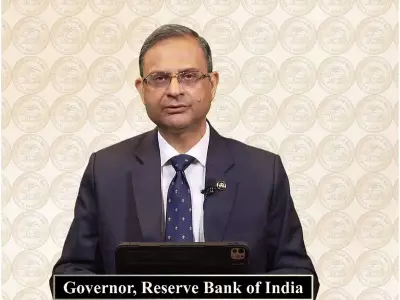
RBI Holds Repo Rate Steady at 5.25% in First FY27 Policy Amid West Asia Ceasefire
The Reserve Bank of India's Monetary Policy Committee has maintained the repo rate at 5.25% in its first policy review of FY27, citing easing inflation and a ceasefire in West Asia conflict.



Sports


Lifestyle





Technology
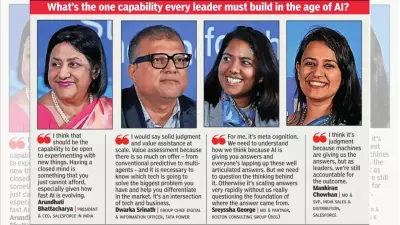
India's AI Adoption Gap: Government Leads, Industry Lags
Experts highlight India's uneven AI adoption, with government ahead of enterprises. Challenges include cloud security hesitations, infrastructure needs, talent shortages, and trust issues, despite strong digital public infrastructure.
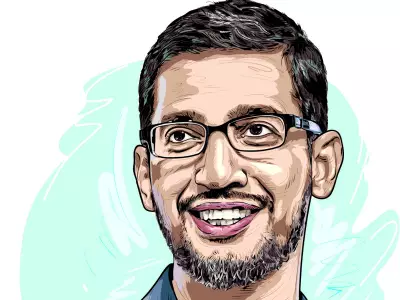
Alphabet's $100B SpaceX Bet Fuels AI Startup Investment Push
Google CEO Sundar Pichai reveals Alphabet's plan to deploy capital aggressively into AI startups, following massive returns from investments like SpaceX and Anthropic.

Beyond Eureka: Intent and Collaboration Drive Tech Innovation
An industry leader shares insights on innovation's quiet beginnings, the shift from solving immediate problems to fostering ecosystems, and a breakthrough solution for dynamic data storage in AI-driven environments.
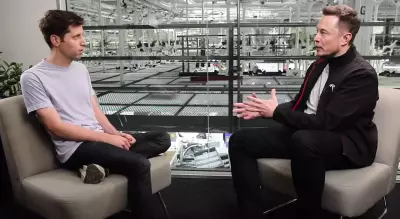
Musk's 2018 Warning Predicted OpenAI's AI Race Challenges
In 2018, Elon Musk warned OpenAI was falling behind Google in AI. By 2025, roles reversed as Google's Gemini and Anthropic pressured OpenAI, validating Musk's early concerns about structural disadvantages.
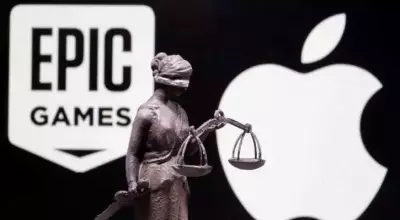
Apple Appeals to Supreme Court in Epic Games Fee Fight
Apple has filed a motion with the Ninth Circuit Court of Appeals, seeking a stay while preparing a Supreme Court petition to challenge App Store commission rates on external payment links, as Epic Games contests the delay.
