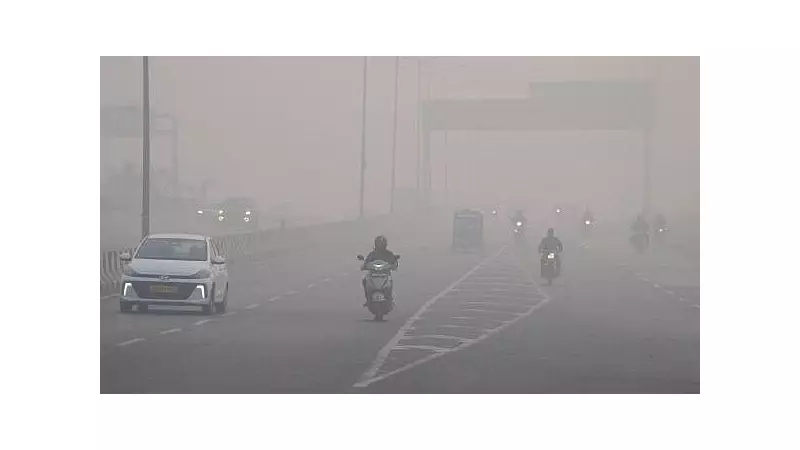
Residents of India's capital woke up to another day of hazardous air and biting cold on Sunday, December 28, 2025. The air quality in Delhi was recorded in the 'very poor' category, posing significant health risks, while the minimum temperature plunged to a chilly 6.3 degrees Celsius.
Weather Conditions and Forecast
The India Meteorological Department (IMD) has predicted that the maximum temperature for the day will likely settle around 21 degrees Celsius. The weather department has forecast mainly clear skies for the national capital, offering little respite from the cold wave conditions that have gripped the city.
The sharp contrast between the day's high and the early morning low highlights the typical winter pattern for North India. The minimum temperature of 6.3 degrees Celsius was recorded by the meteorological authorities, making it one of the colder mornings of the season so far.
Air Quality Crisis Persists
Parallel to the cold, the air pollution situation remains a severe concern. The Central Pollution Control Board (CPCB) data indicated that the Air Quality Index (AQI) was in the 'very poor' range. This classification signifies that the air can cause respiratory illness on prolonged exposure and advises sensitive groups to avoid outdoor activities.
The 'very poor' AQI level is a grim reminder of the persistent environmental challenges Delhi faces, especially during the winter months when factors like low wind speed and temperature inversions trap pollutants close to the ground.
Implications for Public Health
The combination of cold weather and poor air quality creates a double threat to public health. Medical experts often warn that cold air can exacerbate respiratory problems, and when combined with high levels of particulate matter (PM2.5 and PM10), the risk of asthma attacks, bronchitis, and other cardiovascular issues increases substantially.
Authorities continue to monitor the situation closely. While the clear sky forecast might suggest better visibility, it does not automatically translate to cleaner air, as the primary pollutants remain concentrated in the lower atmosphere.
Citizens, particularly children, the elderly, and those with pre-existing conditions, are advised to take necessary precautions, limit outdoor exposure during early morning and late evening hours, and use protective masks when necessary.