

King Penguins Adapt Breeding to Climate Change, Boosting Success by 40%
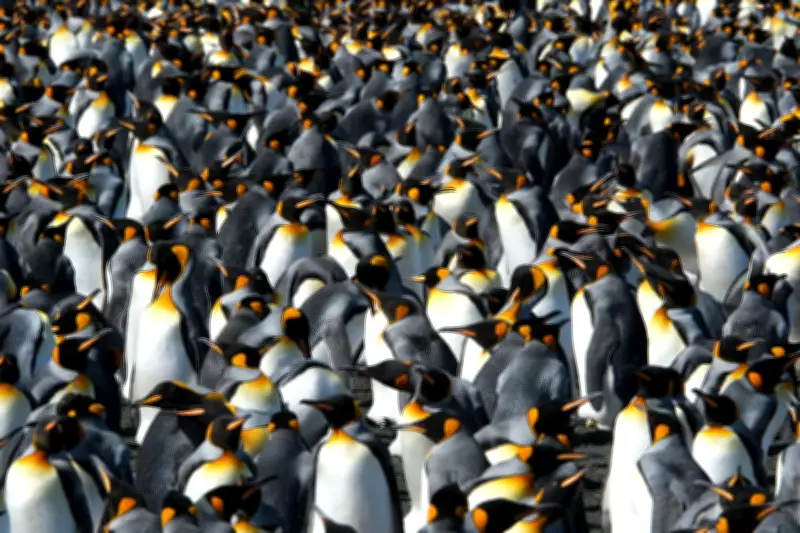
A groundbreaking new study has uncovered that king penguins are shifting their breeding cycles earlier in response to rising global temperatures, with this adaptation significantly improving their reproductive success. Researchers focused on approximately 19,000 king penguins inhabiting a sub-Antarctic island chain, documenting that the birds now commence their breeding activities 19 days earlier compared to the year 2000.
Unprecedented Adaptation in the Face of Climate Change
Published in the esteemed journal Science Advances, the research indicates that this earlier breeding timing has led to a remarkable 40% increase in breeding success rates. This phenomenon is studied through the scientific field of phenology, which examines seasonal biological events like breeding, migration, and flowering. Climate change has notoriously disrupted these natural patterns across numerous species, often causing mismatches as plants and animals respond to warming at varying speeds.
"It's quite striking," emphasized study co-author Celine Le Bohec, a seabird ecologist at the French science agency CNRS. "Having a species like the king penguin adapt so well to seasonal shifts and timing changes is unprecedented."

Flexibility in Breeding and Foraging Behaviors
Unlike many other penguin species, king penguins benefit from a long breeding window spanning from late October to March. Scientists attribute their adaptability to this flexibility, allowing them to adjust reproduction timing as environmental conditions evolve. Lead author Gael Bardon from the Scientific Centre of Monaco highlighted the birds' ability to modify their feeding strategies.
"They can adjust really well their foraging behavior," Bardon explained. "We know that some birds are going directly to the south, to the polar front. Some are going to the north. Some are staying around the colony, and so they can adjust their behavior. That's what makes king penguins cope really well with such changes for the moment."
Expert Insights and Cautions for the Future
Michelle LaRue, a professor of Antarctic marine science at the University of Canterbury in New Zealand, who was not involved in the study, noted that this dietary flexibility could be a key factor in the species' resilience. "The king penguin may have a bit of flexibility as a trick up its sleeve, and may be in a good position to adapt as their environment changes," she said.
However, researchers issue a cautionary note, warning that this advantage might only be temporary as environmental changes accelerate. "So that's why for the moment the species is able to cope with this change, but till when? This, we don't know, because it's going very, very fast," Le Bohec added, underscoring the urgency of ongoing climate impacts.
Broader Implications for Bird Species Worldwide
Casey Youngflesh, a biological sciences professor at Clemson University not involved in the study, pointed out that timing mismatches are becoming increasingly common in birds. According to Associated Press reports, many bird species, particularly in North America, are struggling to adjust quickly enough to changing seasonal patterns, making the king penguin's adaptation a notable exception in the avian world.
This study not only sheds light on the remarkable adaptability of king penguins but also highlights the critical need for continued research into how wildlife responds to climate change, with potential lessons for conservation efforts globally.






