Delhi's air quality continued to hover in the 'very poor' zone on Sunday, December 28, dangerously close to entering the 'severe' category. The city's overall Air Quality Index (AQI) was recorded at 391 in the early hours, marking a slight deterioration from the previous day's reading of 385.
Key Areas Record Severe Air Quality
According to live data from the Central Pollution Control Board (CPCB), several localities across the Delhi-National Capital Region (NCR) experienced even more hazardous conditions, with AQI levels breaching the 400 mark. Anand Vihar recorded an AQI of 445 around 8 am, while Ashok Vihar saw 427. Other severely affected areas included Okhla Phase-2 (423), Wazirpur (435), and Dwarka-Sector 8 (402). Aya Nagar reported a relatively better, yet 'very poor', AQI of 344.
The CPCB classifies an AQI between 301 and 400 as 'very poor' and anything from 401 to 500 as 'severe'. This classification indicates that air quality poses a significant health risk, especially to vulnerable groups such as children, the elderly, and individuals with pre-existing respiratory or cardiac conditions.

Weather Worsens Pollution Trap
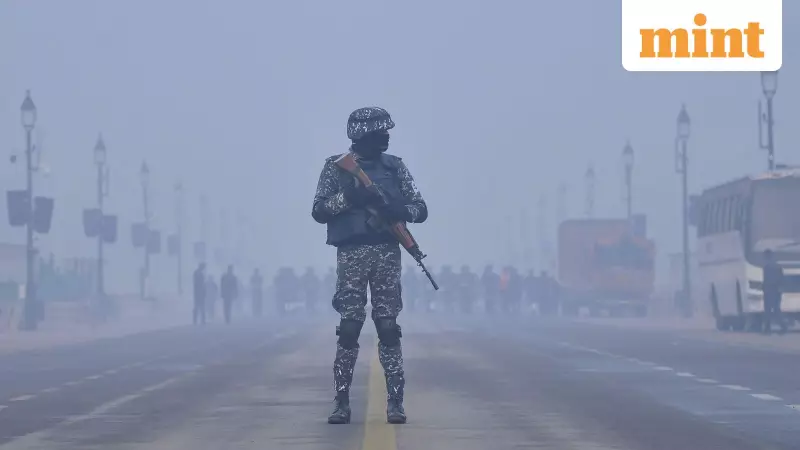
The current spell of poor air follows a brief period of marginal improvement on Wednesday and Thursday. Pollution levels began to spike again from Friday, driven by a combination of adverse meteorological conditions. Cold temperatures, calm winds, and dense fog are trapping pollutants close to the ground, leading to the formation of a thick haze and smog that reduces visibility and disrupts daily life. Forecasts suggest the 'very poor' air quality is likely to persist in the coming days under the prevailing weather pattern.
Authorities have advised people to limit prolonged outdoor exposure and use protective masks. The Commission for Air Quality Management has already implemented Stage III measures under the Graded Response Action Plan (GRAP), which include restrictions on construction and certain industrial activities.
Government Announces New Anti-Pollution Measures
In response to the ongoing crisis, the Delhi Cabinet, led by Chief Minister Rekha Gupta, has approved significant decisions aimed at strengthening the capital's environmental governance.
A major allocation of Rs. 100 crore has been sanctioned for the rejuvenation of water bodies under the Delhi government's jurisdiction. Out of approximately 1,000 water bodies in the capital, 160 are managed by the state government. Delhi Environment Minister Manjinder Singh Sirsa stated that this initiative will play a crucial role in pollution control, with the Chief Minister directing that all necessary financial support be provided to complete the work within the year.
Furthermore, the Cabinet approved the establishment of Delhi's first E-Waste Park at Holambi Kalan. The facility, spread across 11.5 acres, is designed to be a state-of-the-art operation adhering to the highest pollution-control standards. It will function on a 100% circular, zero-waste model, ensuring complete recycling and reuse of water through advanced mechanisms.
"This will be India's first state-of-the-art e-waste facility built on zero pollution and zero wastage principles," Minister Sirsa emphasized. On-ground enforcement actions like the 'No PUC, No Fuel' rule also remain in effect as authorities continue to monitor the situation closely.