

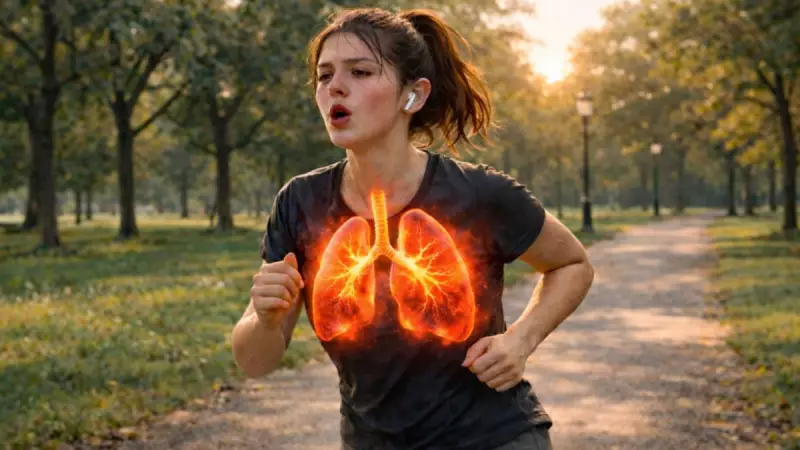
Medical professionals across India and the globe are raising a red flag, warning that a silent but severe lung health emergency is currently unfolding. Experts are now describing the rapid rise in chronic respiratory conditions as an impending 'airway disease pandemic', a crisis poised to have profound long-term effects on public health systems worldwide.
The Anatomy of a Silent Pandemic
The warning was starkly presented in a recent publication in the Lancet journal, which highlighted an alarming trend. While infectious pandemics capture headlines, a slower-moving disaster involving non-communicable airway diseases is gaining terrifying momentum. The primary driver of this crisis is chronic obstructive pulmonary disease (COPD), a debilitating condition that obstructs airflow and makes breathing increasingly difficult.
Doctors point out that this is not a future threat but a present reality. Air pollution, both outdoor and indoor, remains a primary culprit. In India, where many cities consistently rank among the world's most polluted, millions inhale toxic air daily, causing irreversible damage to their respiratory systems. This is compounded by other factors like tobacco smoking and the burning of biomass fuels in poorly ventilated homes.

Beyond COPD: A Spectrum of Respiratory Threats
The airway disease pandemic encompasses more than just COPD. It includes a spectrum of conditions such as asthma, bronchiectasis, and other chronic respiratory ailments that collectively place an enormous burden on healthcare infrastructure. The Lancet report underscores a critical shift: the focus is expanding from merely treating end-stage disease to early detection and prevention.
Pulmonologists emphasize that the damage caused by years of exposure to irritants is often cumulative and silent until significant impairment has occurred. 'Pre-bronchitic' conditions are now a key area of concern, where individuals, especially the young, show early signs of airway inflammation and damage long before a formal COPD diagnosis is made. Identifying these early stages is crucial for intervention.
Actionable Steps and the Path Forward
Confronting this lung health emergency requires a multi-pronged approach. On a policy level, experts are calling for aggressive measures to improve air quality and stricter regulations on emissions. On an individual level, awareness is the first line of defense.
Doctors recommend several key steps for protection:
- Undergo regular lung function tests, especially if you experience persistent cough, breathlessness, or have exposure risk factors.
- Minimize exposure to air pollution by monitoring air quality indices and using protective masks (N95/FFP2) on high-pollution days.
- Advocate for and adopt cleaner energy sources at home to reduce indoor air pollution from cooking fuels.
- Quit smoking and avoid secondhand smoke entirely.
The medical community's warning is clear: the airway disease pandemic is not a speculative future scenario. It is a current, growing crisis fueled by environmental and lifestyle factors. Proactive public health initiatives and individual vigilance are urgently needed to curb its devastating trajectory and protect the respiratory health of future generations.






