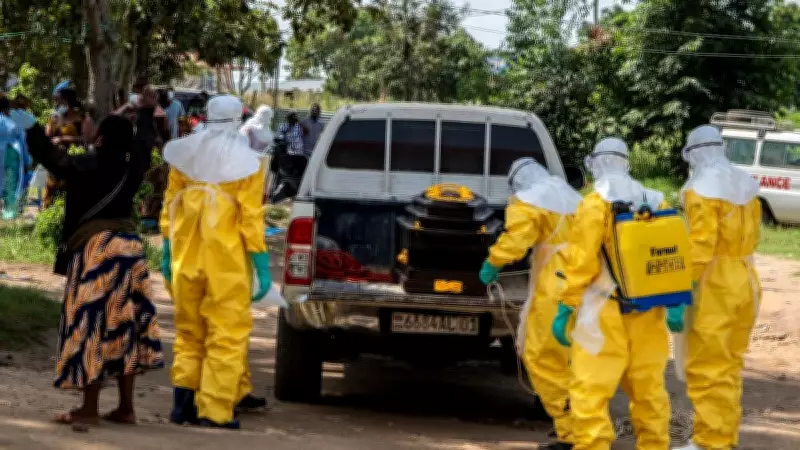
A doctor has cautioned the public against misinformation and panic amid the current Ebola outbreak, which involves the Bundibugyo ebolavirus (BDBV), a less common strain that poses unique public health challenges. The expert called for heightened vigilance to contain the spread and ensure accurate information reaches communities.
Understanding the Bundibugyo Strain
The Bundibugyo ebolavirus is one of six known species of the Ebola virus. It was first identified during an outbreak in Uganda in 2007. Compared to the more well-known Zaire ebolavirus, BDBV has a lower case fatality rate but still presents significant risks, especially in regions with limited healthcare infrastructure. The current outbreak demands tailored response strategies due to the strain's distinct transmission dynamics and clinical presentation.
Misinformation as a Major Obstacle
The doctor emphasized that misinformation can be as dangerous as the virus itself. Unverified claims circulating on social media and other platforms have led to panic, stigmatization of patients, and reluctance to seek medical care. This undermines public health efforts and can accelerate the spread of the disease. The expert urged people to rely only on official sources such as the World Health Organization and national health ministries.

Heightened Vigilance and Preparedness
Health authorities are ramping up surveillance, contact tracing, and community engagement. The doctor advised the public to follow basic preventive measures: frequent handwashing, avoiding contact with infected individuals or animals, and reporting symptoms immediately. Healthcare workers are being trained to recognize BDBV symptoms, which include fever, headache, muscle pain, and unexplained bleeding. Early detection and isolation are critical to breaking the chain of transmission.
Global and Regional Response
The outbreak has drawn international attention, with neighboring countries on alert. The World Health Organization has deployed experts to assist with containment. The doctor stressed that global solidarity is key; travel restrictions and border closures should be based on scientific evidence, not fear. At the same time, local communities must be empowered with accurate knowledge to protect themselves.
Call for Calm and Cooperation
In conclusion, the doctor reiterated that panic helps no one. Instead, a calm, informed, and cooperative approach will save lives. Public health campaigns should focus on dispelling myths and providing clear, actionable guidance. With collective effort, the outbreak can be controlled without causing unnecessary social or economic disruption.