The recent festive season, spanning Christmas to New Year, saw a familiar pattern across urban India. Office parties, family gatherings, and late-night entertainment were often accompanied not by home-cooked meals, but by a few taps on a smartphone. Food delivery applications have fundamentally reshaped how the nation eats, turning gratification of culinary impulses into a matter of minutes.
The Economic Engine and Its Hidden Cost
This shift is powered by a massive economic engine. The online food delivery sector generated an estimated Rs 1.2 lakh crore in gross output in the 2023-24 financial year, growing at a pace that outpaces the broader economy. Restaurants expand their reach, platforms scale up, the government collects taxes, and consumers enjoy unprecedented convenience.
However, this very convenience has a significant flip side. Ordering has become more frequent, impulsive, and often unhealthy. Platforms drive consumption through hyper-targeted advertisements, flash sales, and discount coupons. The food typically ordered—burgers, pizzas, creamy desserts, and deep-fried snacks—tends to be high in calories, salt, sugar, and unhealthy fats. Global studies confirm this trend, and observers note a clear parallel in the Indian context. Over time, these altered dietary patterns are contributing to the rising burden of obesity and lifestyle diseases.
Beyond Hygiene: The Need for Mindful Choices and Smart Policy
While platforms mandate FSSAI licences and basic hygiene norms for listed restaurants, this addresses only part of the problem. Food can be 'safe' from contamination yet remain harmful when consumed frequently in large portions, late at night, replacing balanced home-cooked meals. The first line of defence, therefore, must be mindful eating. This involves pausing before clicking 'order now' to ask: Am I truly hungry, or just bored or stressed?
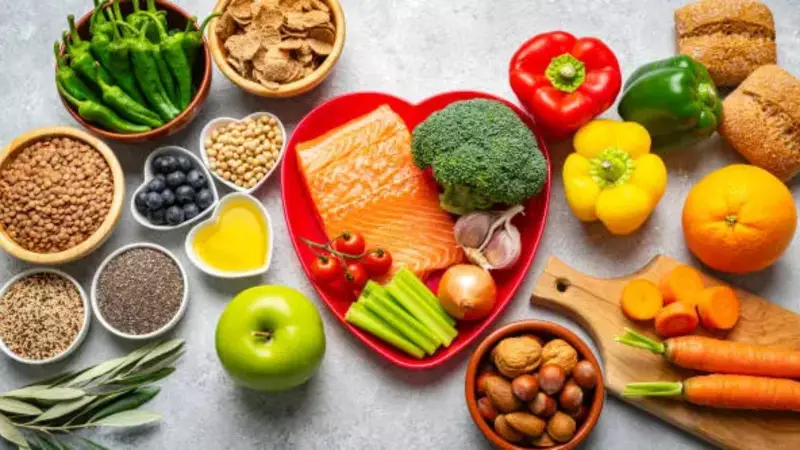
Establishing a routine centered on home-cooked staples like dal, sabzi, and roti, while reserving online orders for occasional treats, can restore balance. Even when ordering in, opting for grilled over fried items, whole grains over refined flour, and salads over cheese-heavy dishes can mitigate health risks.
Platforms and Policy as Part of the Solution
Delivery platforms, as powerful influencers of choice, can be part of the solution. Their algorithms, which currently promote popular but often unhealthy items, could be tweaked to highlight healthier options first. Features like prominent filters for 'low-oil' or 'high-fibre' should be as visible as 'offers' and 'fast delivery'.
Public policy must also evolve. One compelling idea is a mandatory, simple-to-understand 'health index' or star rating for dishes on apps, similar to the Bureau of Energy Efficiency labels for appliances. A dish could be rated from 1 to 5 stars based on its nutritional profile, allowing consumers to make informed choices at a glance. For this to work, sustained public service campaigns are crucial to build awareness and trust in the rating system.
Another innovative nudge could use the platforms' own data. Apps could be required to share periodic summaries with users, such as, 'You ordered outside food 12 times this month, mostly low on the health index.' Such data-driven reminders can prompt personal reflection without being preachy.
The goal is not to demonise a sector that creates jobs and offers genuine convenience. The real challenge, as highlighted by civil servant and consumer behaviour expert Nimish Rustagi, is to ensure this convenience does not silently underwrite a long-term public health crisis. The question is not whether to use these apps, but how. Transforming online ordering from an act of impulsive surrender to a conscious choice shaped by both taste and health will require a collective effort—combining individual discipline, responsible platform design, smart regulation, and persuasive public communication.