

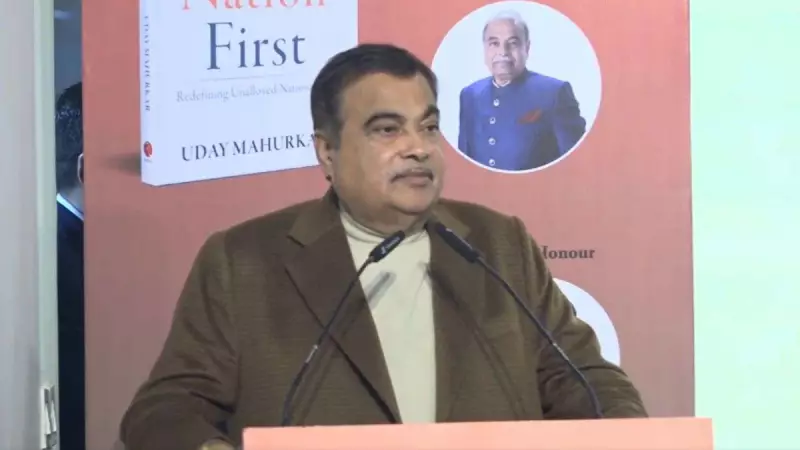
Union Minister for Road Transport and Highways, Nitin Gadkari, has issued a stark warning as the national capital continues to gasp for breath under a thick blanket of toxic smog. The air quality in Delhi has plunged to severe levels, posing a significant public health emergency for its residents.
Severe Air Quality and Official Concern
On Tuesday, December 24, 2024, the air quality index (AQI) in several parts of Delhi crossed the 450 mark, which is classified in the 'severe' category. This hazardous level indicates that the air is dangerous for everyone, not just vulnerable groups. Expressing deep concern, Nitin Gadkari highlighted the critical nature of the situation, directly linking the spike in pollution to stubble burning in neighbouring states and the recent use of firecrackers during celebrations.
The minister pointed out that despite a government ban, the bursting of firecrackers had contributed significantly to the deteriorating air quality. This, combined with the annual problem of crop residue burning in Punjab and Haryana, has created a perfect storm for pollution in the Delhi-National Capital Region (NCR).

Health Impacts and Public Advisory
The consequences of breathing this toxic air are immediate and severe. Medical experts have reported a sharp increase in patients complaining of respiratory distress, eye irritation, and aggravated asthma symptoms. The fine particulate matter (PM2.5) levels, which can penetrate deep into the lungs and bloodstream, are many times above the safe limits prescribed by the World Health Organization.
Authorities have advised citizens, especially children, the elderly, and those with pre-existing health conditions, to take stringent precautions. The recommended measures include:
- Avoiding outdoor activities and strenuous exercise.
- Wearing N95 or equivalent masks when stepping outside.
- Keeping doors and windows closed to prevent polluted air from entering homes.
- Using air purifiers indoors where possible.
Schools have been directed to suspend outdoor assemblies and sports activities to protect students from the harmful effects of the polluted air.
A Persistent Crisis and the Call for Action
This episode is not an isolated event but part of a recurring annual crisis that grips Delhi every winter. Meteorological conditions like low wind speed and dropping temperatures trap pollutants close to the ground, exacerbating the situation created by human activities. While the central and state governments have implemented measures like the Graded Response Action Plan (GRAP), the immediate challenge remains daunting.
Nitin Gadkari's alarm underscores the urgent need for a cohesive and effective long-term strategy. The focus remains on finding sustainable solutions to stubble burning, enforcing pollution control norms strictly, and promoting public awareness. For now, Delhi's residents await a breath of fresh air as authorities scramble to mitigate the impacts of this severe pollution episode.






