

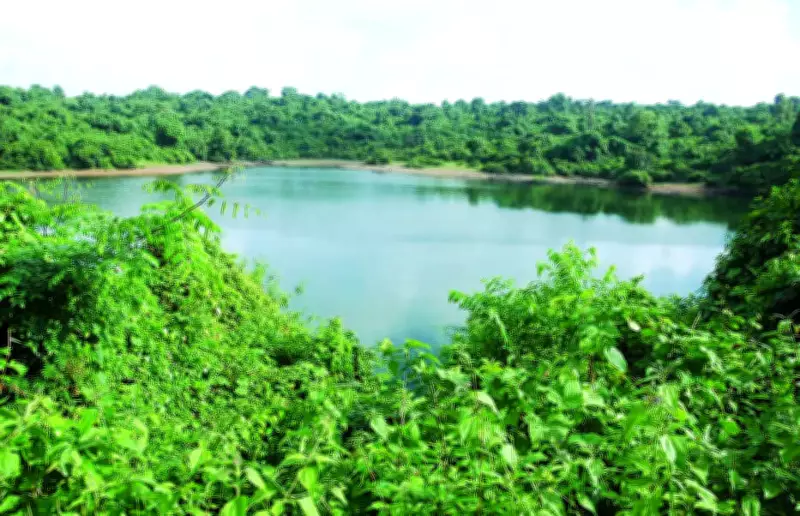
Panaji: In addition to the risk of heat strokes during extreme temperatures, the Directorate of Health Services has cautioned people against seeking relief from the heat by swimming in ponds, springs, and other water bodies with stagnant water, where they could contract leptospirosis.
Leptospirosis Risk from Stagnant Water
State epidemiologist Dr. Utkarsh Betodkar explained that the leptospira bacteria can enter the body through a cut in the skin or through mucous membranes of the eyes, nose, and mouth. He advised against swimming in such water bodies and consuming the water without boiling, as rodents may visit these waters at night to drink. Rodents pass the leptospira bacteria through their urine.
“If the water body does not have flowing water, people should not enter such water bodies or drink this water. We also encounter cases of leptospirosis among farmers, especially those working in rice fields,” he said.

Additional Health Warnings for Summer
Dr. Betodkar also urged the public to be cautious about fever with rash, chicken pox, and measles, which are more prevalent during extreme summers. He advised anyone infected with chicken pox to immediately isolate themselves and seek medical attention. “Isolation is required until the last pustule dries out completely, as the disease can still be transmitted until then,” he emphasized.
During this extreme hot weather, health centers have been instructed to educate people about staying hydrated and recognizing symptoms related to heat strokes. “One may not experience a full heat stroke but could faint, feel dizzy, or have headaches. It is important to stay hydrated,” he added.






