

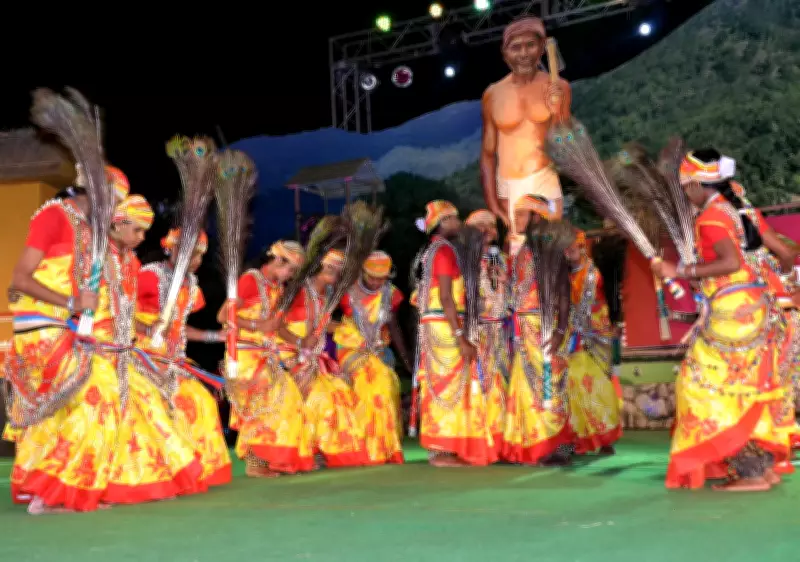
A recent study on the Bondas, a particularly vulnerable tribal group (PVTG) in Odisha, has revealed a high burden of undernutrition and anaemia among adults, highlighting persistent health inequities in one of the state's most marginalised and geographically isolated communities.
Study Findings
The community-based research, conducted among 432 adults (227 women and 205 men) across four villages in Malkangiri district, found that 44.5% of the participants suffered from chronic energy deficiency, while more than half, around 56%, were anaemic. Women were significantly more affected than men in both conditions, pointing to deep gender disparities in nutrition, health access, livelihood opportunities and household-level food security.
The research, conducted by Dillip Kumar Barik of Anthropological Survey of India and Kanhu Charan Satapathy and Prasanna Kumar Patra of Utkal University, was published in the May edition of Food and Humanity, a journal of Elsevier.

Key Determinants
The findings underline the continued vulnerability of PVTGs despite overall improvements in India's nutritional indicators. "The prevalence of undernutrition among the Bonda population is higher than that reported for the general tribal population, indicating that national-level progress has not adequately reached remote communities," said Barik, the first author of the study. The study identified illiteracy and low household income as major determinants of poor nutritional outcomes. "Illiterate individuals were more than twice as likely to be undernourished and nearly twice as likely to suffer from anaemia. Those from low-income households also faced a significantly higher risk of undernutrition, reflecting the fragile socio-economic conditions in the region," Barik said.
Structural Factors
Researchers attributed the crisis to structural factors such as geographical isolation, limited access to healthcare facilities and markets, and the community's continued dependence on forest-based livelihoods and shifting cultivation. "These conditions restrict dietary diversity and lead to seasonal food insecurity. The reliance on subsistence living also limits access to nutrient-rich foods, contributing to widespread deficiencies," said Satapathy, a professor in the department of anthropology at Utkal University.
The study further found a strong link between undernutrition and anaemia, suggesting that both conditions stem from shared causes such as inadequate intake of essential nutrients, including iron, folate and vitamins. "Individuals with severe anaemia were significantly more likely to be undernourished, highlighting the interconnected nature of these health issues," said Patra, a professor in the department of anthropology at Utkal University and a corresponding author of the study.
Recommendations
Calling for urgent and coordinated action, the researchers recommended integrated interventions combining nutrition support, improved primary healthcare, and livelihood enhancement. They also stressed the need to strengthen education, promote sustainable food systems, improve access to forest resources, and ensure better delivery of public services in remote tribal habitations.
The study emphasised that addressing malnutrition among PVTGs requires a broader approach that tackles socio-economic inequalities and structural deprivation, rather than focusing solely on dietary intake. It also points to the need for locally tailored policies as Odisha continues its efforts to improve health and nutrition outcomes in its tribal regions.






