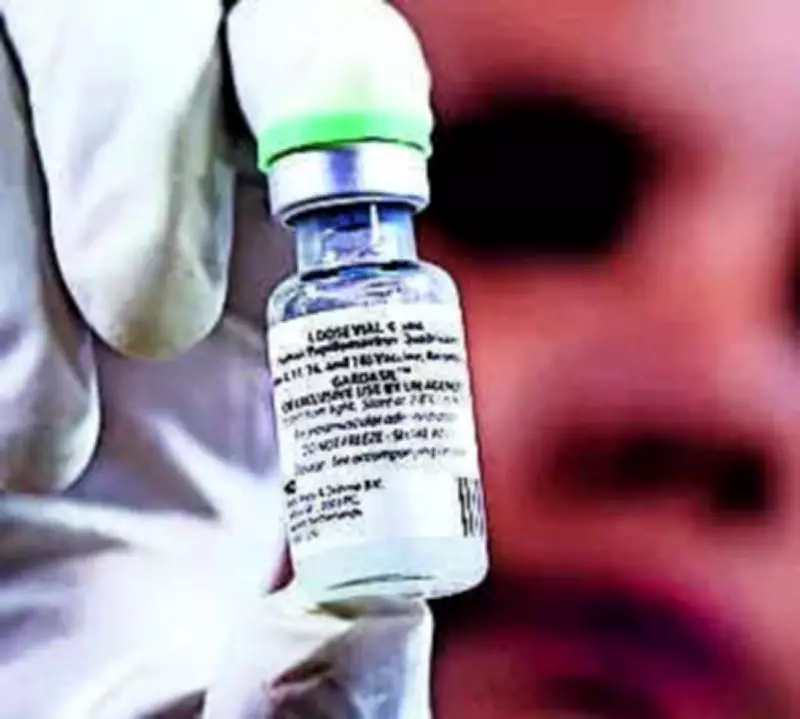
The Andhra Pradesh government on Monday announced the extension of the Human Papillomavirus (HPV) vaccination drive by three months, until August, following directions from the Centre to achieve full coverage before schools reopen.
Vaccination Progress and Targets
According to a release from the health minister's office, 2.71 lakh girls, representing 78.57% of the identified beneficiaries, have been vaccinated so far under the programme targeting girls aged 14 (those who have turned 14 but are yet to turn 15). In total, 3.45 lakh girls have been identified across the state for the vaccination drive.
Vaccine Doses and Awareness Campaigns
Health Minister Satya Kumar Yadav stated that the state has received 3.81 lakh vaccine doses from the Centre in two phases. He directed officials to accelerate the drive to cover the remaining beneficiaries within the extended deadline. The minister also called for intensified awareness campaigns to address vaccine hesitancy among parents.

Reassuring the public, Minister Yadav said no adverse reactions have been reported among the vaccinated girls. He described the HPV vaccine as safe and highly effective in preventing cervical cancer.
Administration and Monitoring
The vaccine is being administered at 1,645 urban and primary health centres equipped with cold-chain facilities. Beneficiaries are monitored post-vaccination as per protocol to ensure their safety.
District-Wise Coverage Data
District-wise data revealed that Kurnool recorded the highest coverage with 18,503 girls vaccinated, followed by YSR Kadapa (15,167), Kakinada (13,294), Nandyal (12,988), and Palnadu (12,917). On the other hand, Polavaram reported the lowest coverage at 1,251, followed by ASR (3,322), Parvathipuram Manyam (4,838), Annamayya (7,440), and Anakapalli (8,028).
The state government is committed to ensuring that all eligible girls receive the vaccine, with a focus on reaching remote areas and addressing any concerns among parents. The extended deadline provides an opportunity to achieve near-complete coverage and protect young girls from cervical cancer in the future.