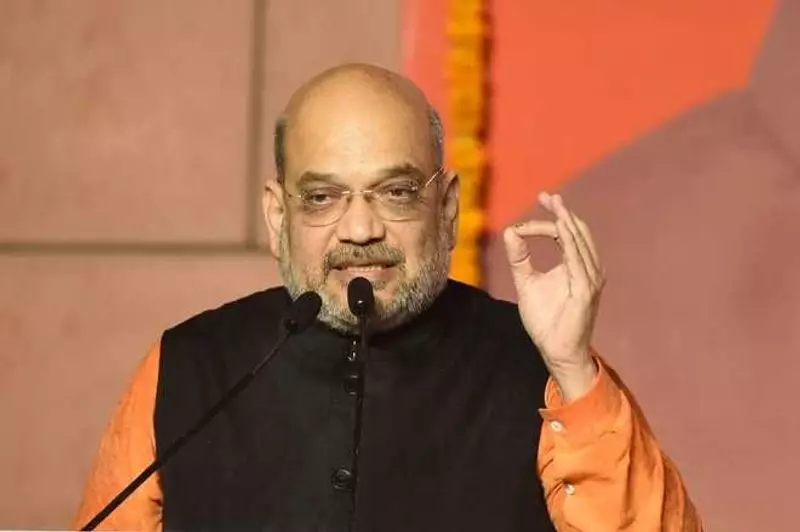
India is on the cusp of a monumental public health victory, with Union Home Minister Amit Shah announcing that the country is poised to eliminate malaria in a short period. This bold statement comes on the back of a staggering 97% reduction in malaria cases since 2014, marking a transformative journey in the nation's fight against the vector-borne disease.
A Decade of Dramatic Decline
Releasing the National Framework for Malaria Elimination (NFME) 2024-2030 on the eve of World Malaria Day, Amit Shah highlighted the remarkable progress made. The data presented was compelling. From a staggering over 11 lakh cases reported in 2014, India has successfully brought the number down to a mere around 29,000 cases in 2023. This represents a decline of approximately 97%, a figure that underscores the effectiveness of sustained national efforts.
The Minister credited this success to a multi-pronged strategy under the leadership of Prime Minister Narendra Modi. He emphasized that the government's approach has shifted from a "control" mindset to an "elimination" mindset. This paradigm shift involved enhanced surveillance, better diagnostic facilities, effective treatment protocols, and robust community engagement, particularly in high-burden regions.
The Roadmap to Zero: National Framework 2024-2030
The newly launched National Framework for Malaria Elimination (NFME) 2024-2030 serves as the strategic blueprint to cross the finish line. This document outlines a detailed, phase-wise plan to achieve complete eradication. The framework focuses on several key pillars:
- Strengthening surveillance to track every single case and prevent outbreaks.
- Ensuring timely diagnosis and complete treatment to break the transmission cycle.
- Implementing integrated vector management through insecticide-treated nets, indoor spraying, and larval source reduction.
- Fostering intersectoral collaboration and community participation for lasting impact.
Amit Shah pointed out that the success is not just in numbers but in the lives saved and the economic burden lifted from the poorest households, who are often the most vulnerable to malaria.
From High Burden to Global Leader
India's journey is particularly noteworthy given its historical status as a high-burden country. The Minister noted that the nation's efforts have contributed significantly to the malaria decline in the World Health Organization's (WHO) Southeast Asia region. This achievement positions India as a global leader in public health management and sets a precedent for other endemic countries.
The announcement was made during a high-level event, reinforcing the government's top-level commitment to the cause. The Minister called for continued vigilance and a final concerted push from all stakeholders—central and state governments, healthcare workers, and citizens—to achieve the goal of a malaria-free India.
As the country celebrates World Malaria Day, the message from the government is one of cautious optimism. With a 97% reduction already secured and a clear, actionable framework for the next six years, the dream of eradicating malaria from India appears closer to reality than ever before. The focus now is on sustaining the momentum and addressing the last-mile challenges in remote and difficult-to-reach areas to ensure no one is left behind.