

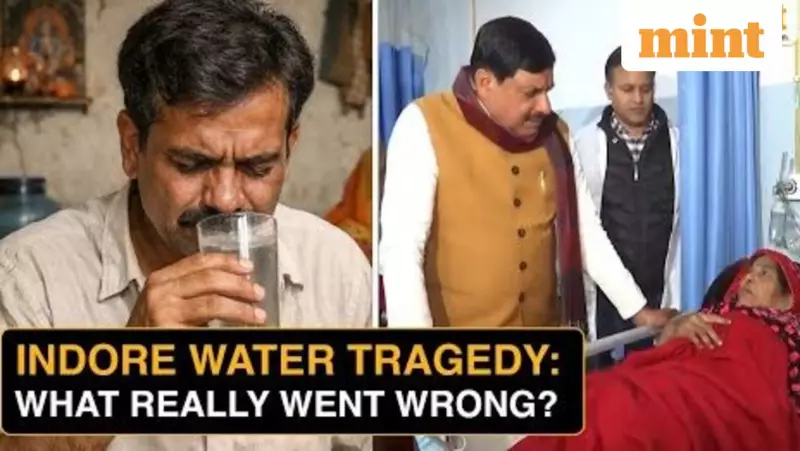
A devastating public health crisis has unfolded in Indore, Madhya Pradesh, following the discovery of a critical infrastructure failure that led to fatal water contamination. The incident, centered in the Bhagirathpura area, has resulted in at least seven confirmed deaths and left more than 160 people undergoing treatment across multiple hospitals.
Shocking Lapse: Toilet Constructed Over Water Pipeline
Investigations into the tragedy have uncovered a staggering lapse in civic planning and oversight. Authorities found that a toilet was constructed directly above a main water supply pipeline. This reckless placement allowed sewage to seep into the drinking water line, contaminating the supply for numerous households.
The scale of the health emergency became clear on Wednesday, January 1, 2026, as the death toll climbed and hospitals reported a surge in patients suffering from severe gastrointestinal illnesses and related complications. Officials confirmed that 162 patients were receiving care spread across 27 different hospitals in the city, highlighting the widespread impact of the contamination.

Mounting Casualties and City-Wide Health Emergency
The aftermath of the contamination has plunged the community into a state of crisis. Local hospitals have been overwhelmed with cases of vomiting, diarrhea, and dehydration, with the most vulnerable residents—including the elderly and young children—being severely affected. The seven fatalities are a direct consequence of consuming the polluted water, turning a basic necessity into a source of fatal poison.
This incident has exposed severe flaws in the maintenance and monitoring of Indore's urban water infrastructure. The fact that such a dangerous structural violation went undetected until lives were lost points to a significant failure in routine civic checks and regulatory enforcement.
Probe Underway and Public Outcry
A formal probe is now focused on determining responsibility for the catastrophic error. Questions are being raised about how construction permissions were granted and how the water supply network was inspected. Residents of Bhagirathpura and surrounding areas are rightfully outraged, demanding accountability and immediate, long-term solutions to secure their water supply.
The Indore water contamination tragedy serves as a grim reminder of the vital importance of robust public utility management. It underscores a critical need for:
- Regular and rigorous inspection of water supply lines and adjacent structures.
- Strict enforcement of building codes to prevent such hazardous encroachments.
- Swift emergency response protocols for waterborne disease outbreaks.
As the city mourns the lost lives and struggles to treat the sick, the focus has shifted to preventing a recurrence of this man-made disaster. The incident is a wake-up call for municipal bodies across India to audit their own water systems and ensure that clean drinking water, a fundamental right, is never compromised by negligence.






