

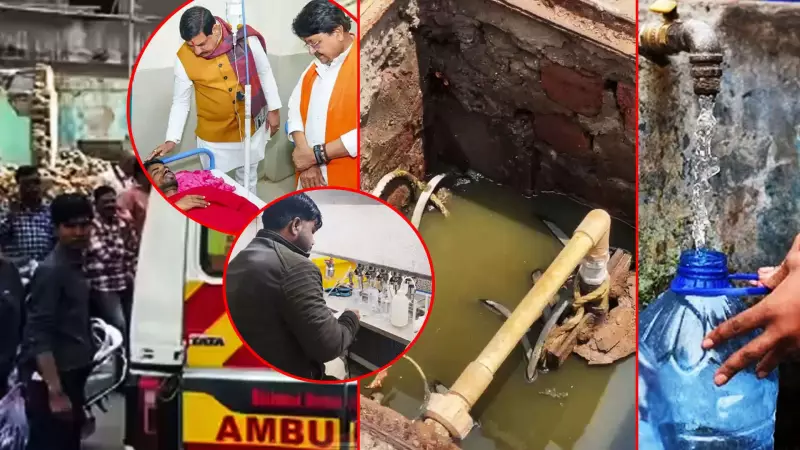
Indore, a city repeatedly awarded for its cleanliness, is facing a severe public health crisis after contaminated drinking water triggered a widespread diarrhoea outbreak. A laboratory report has now confirmed the source of the infection, linking it directly to a pipeline leak that allowed sewage to mix with the potable water supply.
Faulty Construction Leads to Tragic Consequences
The outbreak, which began in late December 2025, has so far claimed four lives and affected over 1,400 people in the city. Hundreds of those infected required hospitalisation for treatment. Health officials traced the contamination to a critical fault in the main water pipeline near a police outpost in the Bhagirathpura area.
According to the authorities, sewage water infiltrated the drinking water pipeline due to faulty construction work. This breach allowed harmful pathogens to enter the water system, which was then distributed to households, leading to the rapid spread of gastrointestinal illness.

Emergency Response and Ongoing Surveys
Following the confirmation from the lab, civic teams moved swiftly to address the infrastructure failure. Repairs to the compromised pipeline section have been completed, and enhanced water treatment processes are currently underway to restore safe supply. Despite these measures, the health impact continues to be assessed.
Teams of health officials are conducting door-to-door surveys in the affected neighbourhoods to monitor residents for symptoms and provide necessary medical guidance. This effort aims to prevent further cases and ensure early intervention for anyone still feeling unwell.
Compensation and Statewide Safety Overhaul
In response to the tragedy, the Madhya Pradesh state government has announced financial compensation for the families of the victims who lost their lives. Recognizing the systemic failure, the government has also declared its intention to formulate and implement new safety guidelines for drinking water infrastructure across the entire state.
This incident has raised serious questions about the maintenance and monitoring of water supply systems, even in cities lauded for their urban management. The proposed guidelines are expected to focus on stricter construction standards, regular pipeline integrity checks, and faster response protocols for contamination events.
The outbreak in Indore, reported on January 2, 2026, serves as a stark reminder that the safety of drinking water is a critical pillar of public health that requires constant vigilance.






