

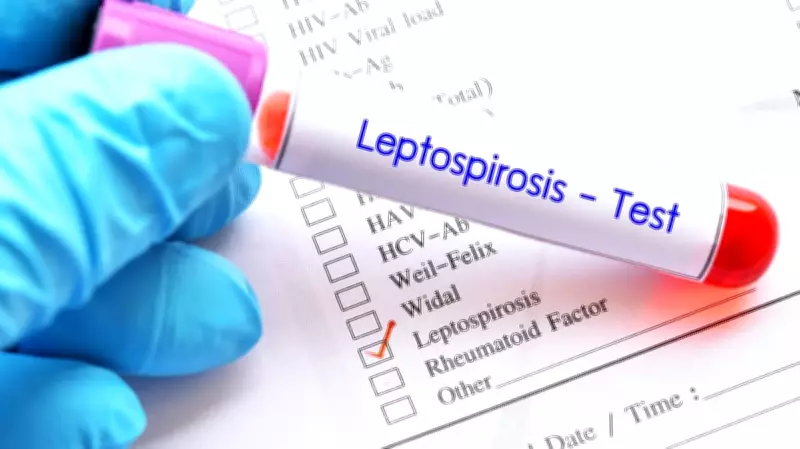
Karnataka Economic Survey Flags Sharp Increase in Leptospirosis Infections
The latest Karnataka Economic Survey has raised serious concerns by documenting a notable spike in leptospirosis cases across the state. This bacterial disease, often transmitted through contact with contaminated water or soil, has shown a worrying upward trend in incidence over recent years.
Five-Year Data Reveals Escalating Health Crisis
According to the survey findings, Karnataka has reported more than 16,000 confirmed cases of leptospirosis over the past five years. Tragically, this outbreak has resulted in at least 30 fatalities during the same period. The data indicates that the number of infections has been increasing consistently each year, pointing to a deepening public health challenge that requires immediate attention.
The economic survey serves as a crucial document that not only tracks financial indicators but also monitors social and health parameters affecting the state's development. The inclusion of leptospirosis data underscores the disease's impact on both human welfare and economic productivity, as outbreaks can lead to significant healthcare costs and workforce disruptions.

Understanding the Leptospirosis Threat
Leptospirosis is caused by bacteria of the genus Leptospira, which are typically spread through the urine of infected animals. Humans can contract the disease through direct contact with contaminated water, soil, or food. Common symptoms include high fever, severe headache, muscle aches, and in severe cases, kidney damage, liver failure, or meningitis.
The rising case numbers in Karnataka suggest potential environmental factors, such as flooding or poor sanitation, may be contributing to the spread of the bacteria. Urban and rural areas with inadequate drainage systems or close human-animal interactions are particularly vulnerable to outbreaks.
Public Health Implications and Response Needs
The economic survey's findings highlight several critical areas for intervention:
- Enhanced Surveillance: Improved monitoring and reporting systems to track leptospirosis cases accurately across all districts.
- Preventive Measures: Public awareness campaigns about avoiding contaminated water and practicing good hygiene.
- Healthcare Infrastructure: Strengthening diagnostic and treatment facilities, especially in high-risk regions.
- Interdepartmental Coordination: Collaboration between health, animal husbandry, and environmental departments to address transmission sources.
With the disease showing a clear pattern of annual increase, health authorities face mounting pressure to implement comprehensive control strategies. The economic survey data provides valuable evidence to guide policy decisions and resource allocation for leptospirosis management programs.
The timing of this report is particularly significant as it comes amid broader discussions about climate change and its impact on disease patterns. Warmer temperatures and altered rainfall patterns may create more favorable conditions for leptospirosis transmission, making this a forward-looking public health issue.






