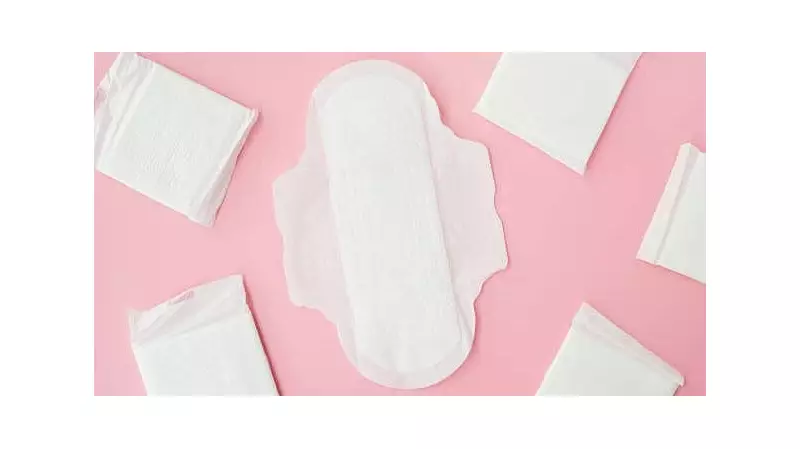
The southern state of Karnataka is grappling with a significant public health and environmental challenge: the scientific disposal of sanitary napkins. This issue has come to the forefront following a large-scale distribution drive by the state government.
State-Wide Distribution Creates Disposal Dilemma
In a major public health initiative, the Karnataka Health Department directly distributed sanitary pads at the state level to various institutions. This distribution commenced in December 2024, aiming to improve menstrual hygiene access. However, the program has inadvertently highlighted a critical gap in the waste management ecosystem. The sheer volume of used non-biodegradable pads now requires a systematic and scientific disposal method, which remains largely underdeveloped across many parts of the state.
Exploring Sustainable Alternatives
Faced with this mounting challenge, authorities and environmental groups are actively exploring sustainable alternatives. The focus is shifting towards promoting and potentially integrating more eco-friendly menstrual products into future schemes. These alternatives could include biodegradable sanitary pads, menstrual cups, and reusable cloth pads, which would significantly reduce the burden on landfills and the environment.
The city of Mysuru has been a focal point in discussions surrounding urban waste management, making this issue particularly relevant there. The lack of proper disposal infrastructure poses not just an environmental threat but also a potential public health risk, underscoring the urgency for a viable solution.
The Path Forward for Menstrual Waste
The situation underscores a common problem in many well-intentioned welfare schemes: the provision of a product without a parallel plan for its end-of-life management. Moving forward, the state's strategy will need to be two-pronged. First, it must urgently establish or scale up facilities for the safe incineration or treatment of existing sanitary waste. Second, a long-term vision must involve promoting sustainable menstrual products and creating awareness about them.
This challenge presents an opportunity for Karnataka to develop a model for scientific menstrual waste disposal that could be replicated across India. Success will depend on integrating efforts across the health, urban development, and environmental departments, turning a current problem into a future-proof solution for menstrual hygiene management.