Bengaluru: Following a pilot project that saw hundreds of people openly share their experiences of living with mental illness in rural Karnataka, the health department is now considering expanding its unique 'Manasa Samvaada' — the human library initiative — across the state in partnership with the rural development and panchayat raj (RDPR) department.
What is Manasa Samvaada?
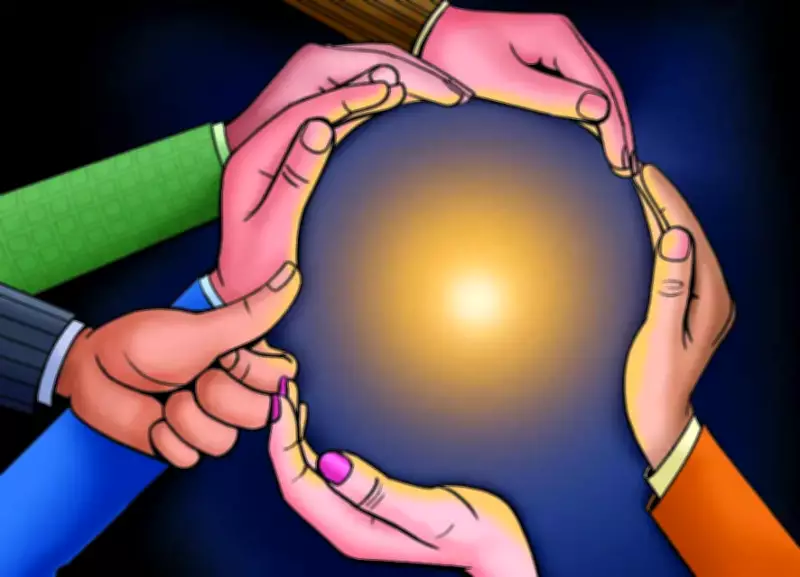
The programme, inspired by the global human library model, encourages people with lived experience of mental health conditions to become 'books' and share their personal journeys with community members who are called 'readers'. Dr Rajani Parthasarathy, deputy director of mental health, explained, 'The project aimed to minimise mental health stigma and prejudice in rural communities using the human library approach, while also enhancing mental health literacy, promoting empathy, and building sustainable community-based mental health awareness infrastructure.'
Pilot Project Details
The two-year initiative was launched in September 2024, with field implementation and data collection occurring primarily from March 2025 through March 2026. It was carried out in Bengaluru Rural, Chikkaballapur, and Bengaluru South districts. Sessions were conducted in gram panchayat libraries, community centres, government hospitals, schools, and colleges, besides being integrated with district mental health programme (DMHP) activities.

Participation and Impact
During the pilot, 279 individuals with lived experience of mental illness were identified and trained to participate as 'books'. Of them, 236 eventually came forward to share their stories publicly. Their narratives covered a range of mental health conditions, including anxiety, depression, schizophrenia, bipolar disorder, obsessive-compulsive disorder (OCD), substance abuse, and dissociative disorders.
'The project engaged 2,218 community members as readers. These participants included auto drivers, ASHA workers, residents, policemen, high school teachers, degree students, college lecturers, and retired government officials,' Dr Rajani said. Interaction dates and times were communicated with panchayats, librarians, and healthcare workers to encourage attendance at upcoming sessions.
Success Story
One story that stood out during the programme, according to officials, was that of a woman from Doddaballapur who faced discrimination and mistreatment from family members because of her mental illness. After receiving treatment, she not only rebuilt her life but also began helping others. 'This success provides a foundation for potential larger-scale, national-level stigma reduction initiatives,' Dr Rajani said.