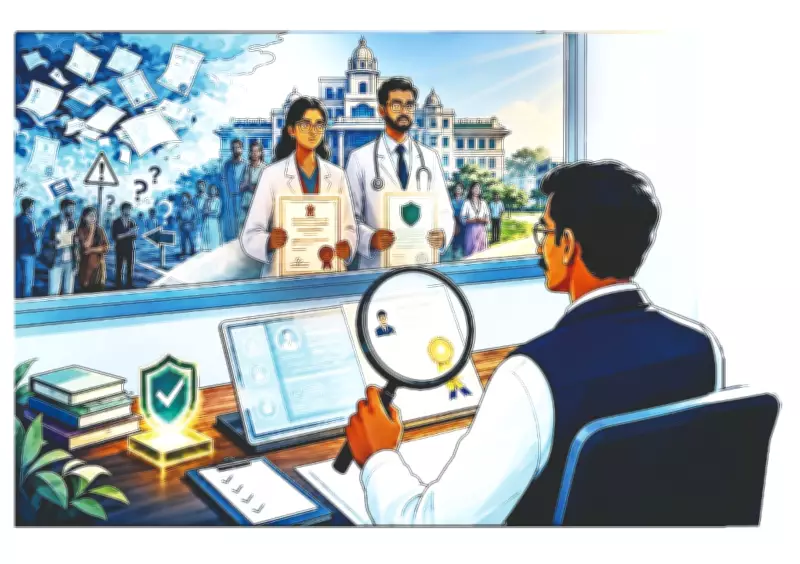
In recent years, India has experienced a significant increase in universities and private institutions offering certificate programmes, online courses, and distance education in mental health. These programmes, marketed as counselling psychology, clinical psychology, applied psychology, and psychotherapy, have expanded access to education. However, the lack of clear regulatory standards has created serious confusion among students, employers, and the public.
Key Confusions in Mental Health Education
Students remain uncertain about several critical aspects:
- The distinction between counselling and clinical psychology
- The legal and professional scope of practice attached to each qualification
- Whether online or distance degrees are valid for clinical practice in hospitals, rehabilitation centres, or mental health services
- The recognition status of courses offered by different institutions
- Mandatory requirements for supervised training, internships, and ethical practice
Risks of Misleading Programmes
Some institutions advertise short-term online certifications as sufficient for independent mental health practice. This misrepresentation risks producing inadequately trained practitioners, potentially endangering public trust and safety in mental health services. The crisis is compounded by schools, colleges, corporates, and communities allocating minimal budgets for mental health. In the absence of dedicated professionals, existing staff members — teachers, HR managers, or community workers — are expected to step into the role of therapist or counsellor. While their interest and goodwill are commendable, professional mental health practice demands scientific understanding, rigorous training, ethical standards, and accountability. Without proper qualifications, these improvised arrangements risk undermining student welfare and public trust.

The Mental Healthcare Act, 2017
The Mental Healthcare Act, 2017 establishes state mental health authorities (SMHAs) to regulate, monitor, and ensure quality mental health services at the state level. Their functions include registration of mental health establishments, setting minimum standards, protecting patient rights, and advising the state government on mental health policy. The structure mandated by the Act specifies that there be a chairperson (health secretary) to monitor mental health services at the state level, as well as an executive officer nominated by the health secretary to ensure day-to-day functioning. Members should include psychiatrists, mental health professionals, representatives of NGOs, persons with mental illness, and caregivers.
Placing the most experienced mental health professional in the CEO position is crucial. Equally important is ensuring that the SMHA is staffed by academically qualified and experienced professionals in mental health practice, training, research, and regulation.
Lack of Transparency in Tamil Nadu
At present, even basic information about the functioning of the SMHA in Tamil Nadu is difficult to access. The website does not indicate whether the authority is functional, nor does it provide details of its members, qualifications, roles, or terms of appointment. Greater transparency is essential for accountability and public confidence, especially considering Maharashtra, Tamil Nadu, Madhya Pradesh, and Karnataka account for the highest share of suicides in the country. A board comprising qualified professionals would help protect students, mental health practitioners, and the public from misinformation, uphold academic and professional standards, and safeguard public trust in mental health services.
The Need for Decisive Action
Tamil Nadu is at a critical juncture in its mental health journey. Expanding access to education and services is essential, but accessibility must never come at the expense of professional standards or public safety. Misleading diplomas, underfunded institutions, and improvised counselling roles are systemic risks that jeopardize lives and erode trust.

It is time to establish clear guidelines distinguishing counselling psychology, clinical psychology, and related specializations, as well as mandatory disclosure of statutory approvals from UGC, RCI, and compliance with the Mental Health Act. Standardized curriculum requirements, supervised practicum and internships, prohibition of misleading claims about licensure or employability, and monitoring of institutions offering psychology-related online education are required.
Tamil Nadu needs decisive, collective action. Policymakers must enforce transparent regulation of academic programmes and ensure compliance with the Mental Healthcare Act. Communities must demand accountability, advocate for ethical practice, and support awareness initiatives that reduce stigma. Corporates must move beyond token wellness programmes and invest in trained professionals, embedding mental health into workplace culture. Only by combining accessibility with accountability — across government, society, and industry — can India build a mental health ecosystem that is credible and trustworthy.