

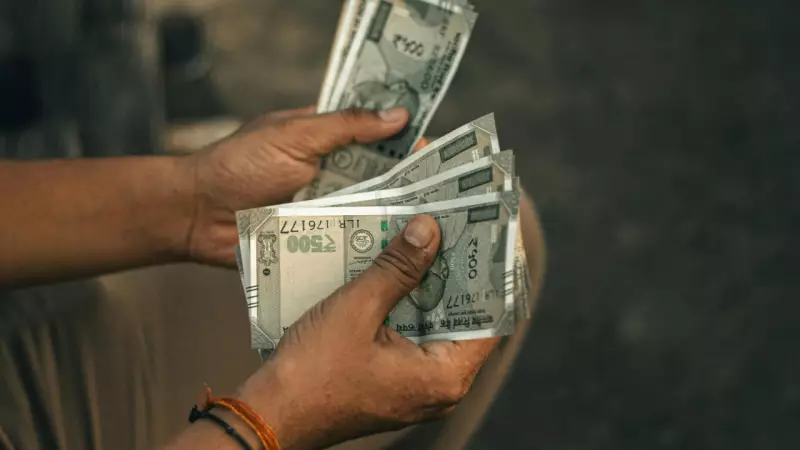
For most of us, a wallet is a simple accessory holding cash and cards. For microbiologist Dr Shweta, it represents a potential petri dish of microbial life. In a compelling and visually striking social media reel, she has transformed an ordinary currency note into a startling display of fungal colonies, offering a public glimpse into the invisible world we handle daily.
The Experiment: From Pocket to Petri Dish
Dr Shweta conducted a straightforward yet revealing experiment in her lab. She took a sample of paper currency and gently pressed it onto a sterile culture plate designed to promote microbial growth. After allowing the plate to incubate under controlled conditions for a period, the results were unmistakable. The once-clean plate had transformed into a miniature landscape dotted with soft, fuzzy fungal colonies.
Each colony exhibited unique characteristics in terms of colour, shape, and texture. What was once a simple note had become a thriving ecosystem of mould. The short, almost playful reel serves a powerful purpose: it translates the concept of "invisible dirt" into a tangible, visual reality, allowing viewers to see exactly what microbiologists study.

Why Currency is a Germ Highway
The reason money becomes such an effective carrier for microbes like bacteria and fungi is rooted in its journey. Currency notes and coins change hands countless times throughout the day, moving from supermarket counters to local vendors, from hospital cafeterias to public transport, without any form of cleaning.
The physical composition of money provides ideal hiding spots. The porous nature of paper and the tiny grooves on coins offer perfect niches for microorganisms to cling to. When combined with external factors like human sweat, environmental humidity, and the consistent warmth of a pocket or purse, cash becomes a surprisingly hospitable environment. This allows fungi and bacteria to survive long enough to hitch a ride to the next person who handles the note.
Health Implications: More Than Just a Lab Curiosity
The fluffy, colourful circles on Dr Shweta's plate are not merely a scientific curiosity. They represent a potential health concern, especially for vulnerable populations. Environmental fungi can cause infections in individuals with compromised immune systems, such as those managing diabetes, chronic illnesses, or existing skin conditions.
For generally healthy people, a brief contact with contaminated cash is unlikely to cause immediate, serious illness. However, the risk escalates when hands that have handled money subsequently touch the face, eyes, mouth, or food. Over time, this transmission route can contribute to issues like skin rashes, nail infections, or, in rarer cases, more significant problems for those with already low immunity.
The Simple Solution: Hand Hygiene is Key
The core message from Dr Shweta's demonstration is not to incite fear of using cash but to promote mindful hygiene. Our hands act as the primary bridge between contaminated surfaces and our bodies. The most effective defence is to regularly clean that bridge.
This translates into practical, easy-to-follow habits: washing hands thoroughly with soap and water after handling cash, before eating, and upon returning home. When soap and water are not immediately available, using an alcohol-based hand sanitiser can serve as an excellent stopgap measure.
Dr Shweta's work encourages a few behavioural adjustments:

- Avoid counting money or handling cash while eating or preparing food.
- Be conscious not to touch your face, eyes, or mouth immediately after handling currency.
- Individuals who work with cash all day, like shopkeepers or tellers, should keep sanitiser accessible and use it frequently between customer interactions.
- Those with eczema, diabetes, or frequent skin infections should be extra vigilant about hand cleanliness and keep any cuts or abrasions covered.
By viewing everyday life through a microbiologist's lens, ordinary objects like money take on new meaning. Dr Shweta's approach is effective because she shows rather than lectures. The vivid image of fungus sprouting from a common note makes the abstract idea of germs memorably concrete. Her reel reminds us that cash is not just a token of economic value but also a symbol of the invisible biological world we constantly share. The goal is awareness, not alarm. With consistent hand washing, small mindful habits, and respect for the unseen, we can continue using cash while safeguarding our health and the well-being of everyone in the transaction chain.





