

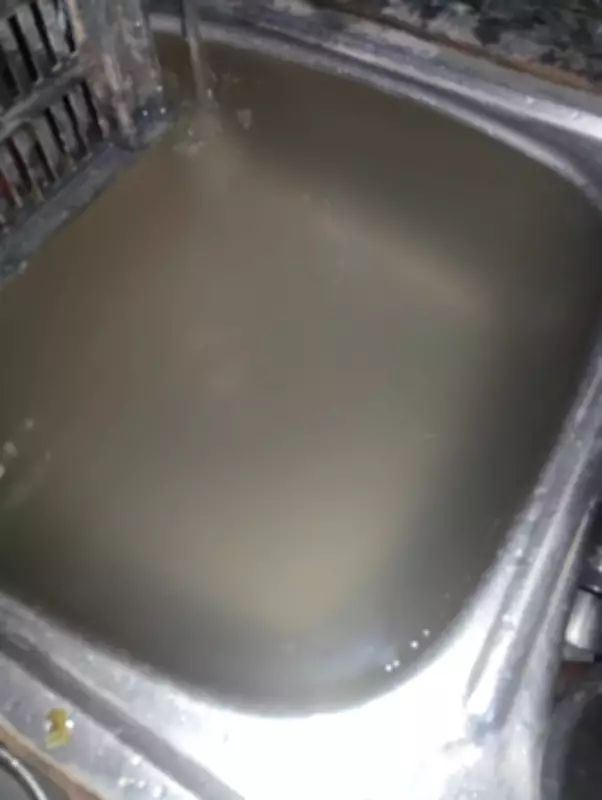
Nawanshahr's Teachers Colony Residents Protest Over Contaminated Water Supply
Residents of Teachers Colony in Nawanshahr, Punjab, are expressing severe discontent and anger over the ongoing issue of contaminated water being supplied to their homes. The situation has escalated to a point where locals are now staging protests and demanding immediate intervention from municipal authorities to resolve this critical public health hazard.
Persistent Problem with Water Quality
The water supply in Teachers Colony has reportedly been dirty and unfit for consumption for an extended period. Residents have highlighted that the water often appears muddy, discolored, and contains visible impurities, making it unsuitable for drinking, cooking, or even basic household chores. This persistent problem has not only disrupted daily life but also raised significant health concerns among the community members.
Health Risks and Daily Struggles
The contaminated water poses serious health risks, including potential waterborne diseases such as diarrhea, typhoid, and cholera, especially affecting children and the elderly. Families are forced to rely on expensive alternatives like purchasing bottled water or installing water purifiers, adding financial strain to their budgets. Many residents report skin irritations and gastrointestinal issues, which they attribute directly to the poor water quality.

"We have been complaining for months, but no concrete action has been taken," said a frustrated resident. "It's unacceptable that in this day and age, we have to deal with such basic infrastructure failures."
Demands for Immediate Action
In response to the crisis, the residents have organized protests and submitted formal complaints to the Nawanshahr Municipal Corporation. Their key demands include:
- Immediate cleaning and maintenance of the water supply pipelines.
- Regular water quality testing and public disclosure of results.
- Installation of proper filtration systems to ensure safe drinking water.
- Compensation for medical expenses incurred due to water-related illnesses.
Authorities' Response and Future Steps
Local officials have acknowledged the complaints and stated that they are investigating the root cause of the contamination, which may be linked to aging infrastructure or external pollution sources. However, residents remain skeptical, citing past inaction and delays. The community is urging for a swift and transparent resolution to restore clean water supply and prevent future occurrences.
This incident underscores broader issues of urban water management in smaller cities and the urgent need for infrastructure upgrades to safeguard public health.






