

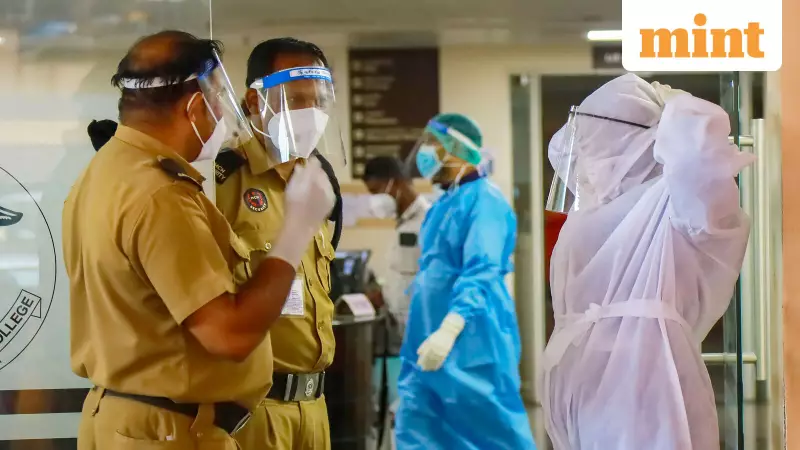
The West Bengal government officially confirmed cases of Nipah virus infection on Friday. State officials revealed that two individuals, both working as nurses, tested positive for the contagion.
National Response Team Deployed
Authorities quickly deployed a National Joint Outbreak Response Team to the region. This team aims to curb any further spread of the dangerous virus.
Understanding the Nipah Virus Threat
The Nipah virus represents a serious zoonotic infection. According to the World Health Organisation, it can cause a range of clinical presentations. These range from asymptomatic infection to acute respiratory illness.

The infection carries a high fatality rate, estimated between 40% and 75%. This statistic underscores the need for serious medical intervention.
How the Virus Spreads
Transmission can occur from animals to humans. Bats or pigs are common sources. Contaminated foods also pose a significant risk. Importantly, the virus can spread directly from an infected person to a healthy individual.
Fruit bats from the Pteropodidae family are considered the natural host of the Nipah virus, as per WHO information.
Recognizing Early Warning Signs
Dr. Rupali Mehrotra, Principal Consultant of Internal Medicine at Regency Health in Kanpur, emphasized the importance of early detection. Recognizing initial symptoms and acting swiftly can save lives.
The early signs often mimic a common viral illness. Dr. Mehrotra advises seeking immediate medical care if you experience any of the following:
- A sudden fever that does not subside
- Persistent headache or muscle pain
- Sore throat, cough, or difficulty breathing
- Vomiting, weakness, or unusual fatigue
"If these symptoms worsen or are followed by confusion, disorientation, seizures, or breathing distress, urgent hospital care is essential," stated Dr. Mehrotra.
Early diagnosis allows doctors to begin intensive supportive treatment. This approach can significantly improve patient outcomes.
Essential Dos for Prevention and Response
Dr. Mehrotra outlined critical actions everyone should take:
- Seek medical attention promptly if symptoms appear, especially after possible exposure.
- Inform doctors about any contact with sick individuals or animals.
- Maintain excellent hygiene, including frequent hand washing with soap.
- Follow all isolation and safety guidance issued by health authorities without delay.
Important Don'ts to Prevent Virus Spread
Equally important is knowing what to avoid:
- Do not ignore or attempt to self-treat persistent symptoms.
- Avoid close, unprotected contact with individuals who are sick.
- "Do not handle animals that appear ill," added the doctor firmly.
The state government has already issued specific guidelines for treating Nipah virus infection. Public awareness and adherence to these protocols are vital for community safety.
Please note: This article serves informational purposes only. It is not a substitute for professional medical advice, diagnosis, or treatment. Always consult your doctor or a qualified healthcare provider regarding any medical condition or health concerns.






