

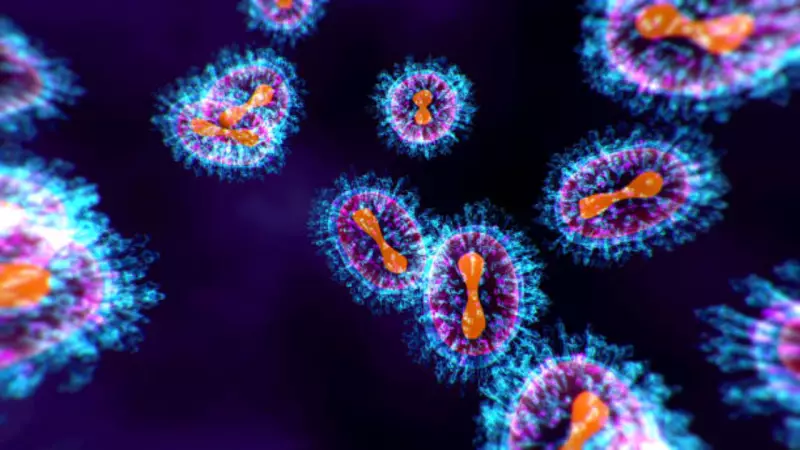
Nipah Virus in India: A Rare but Deadly Health Concern
In India, health threats like dengue, malaria, and COVID-19 dominate public consciousness, but mention the Nipah virus and you're likely to encounter puzzled expressions. This relative obscurity is puzzling, given that Nipah ranks among the deadliest known viruses, with a history of multiple outbreaks in the country.
Understanding Nipah Virus Transmission
Nipah is a zoonotic virus, meaning it spreads from animals to humans. Fruit bats serve as the primary reservoir, carrying the virus without falling ill themselves. Transmission occurs through their saliva, urine, or partially consumed fruit. Humans can contract Nipah by:
- Consuming contaminated fruit
- Drinking raw date palm sap
- Close contact with infected individuals
Recent Outbreaks and Historical Context
Since December, two Nipah virus cases have been identified in West Bengal, prompting heightened vigilance. In response, several Asian nations, including Thailand and Nepal, have tightened health screenings at airports.

India's experience with Nipah dates back to the early 2000s, with the first documented outbreak occurring in West Bengal near the Bangladesh border. More recently, Kerala reported cases beginning in 2018, followed by sporadic outbreaks and isolated incidents. Medical experts emphasize avoiding raw date palm sap and fallen or bitten fruits to reduce infection risk.
The Severe Impact of Nipah Infection
While rare, Nipah is far from harmless. Infection progresses rapidly, starting with symptoms like fever, headache, and respiratory distress, often escalating to brain inflammation (encephalitis). The virus's fatality rate is alarmingly high, with some outbreaks claiming over half of those infected.
Dr. Deep Das, Neurologist at CK Birla Hospitals, CMRI, explains: "Nipah initially replicates in the upper respiratory tract before entering the bloodstream, allowing it to infect the cardiovascular system and other organs."
He adds, "One of its most dangerous traits is its ability to damage blood vessels through inflammation, enabling it to cross the blood-brain barrier and reach the brain. This leads to severe brain swelling and encephalitis."
Symptoms evolve from fever and muscle pain to confusion, lethargy, seizures, and loss of consciousness. Severe brain swelling disrupts vital functions like breathing and heart rate regulation. Dr. Deep warns that Nipah requires immediate diagnosis, intensive isolation, and comprehensive neurological care due to its rapid progression and high mortality risk.
The Importance of Awareness Without Panic
Raising awareness about Nipah doesn't mean inciting fear. It involves educating the public on practical measures:
- Thoroughly washing fruits
- Avoiding raw palm sap
- Promptly reporting symptoms
Ignoring this high-risk virus simply because it hasn't caused widespread outbreaks is a dangerous oversight. Given its high death rate, even a handful of cases represent a significant public health concern.
This article incorporates expert insights from Dr. Deep Das, Neurologist at CK Birla Hospitals, CMRI, detailing Nipah's neurological effects.






